
Our Presbytery – like many organizations – is pondering the future and we have a V2P group working on it. V2P = Vision to Praxis
 It will take a chunk of time to figure out how to be a different, more effective church for the 21st Century, but I’ve been thinking about My Dream Presbytery.
For what it’s worth, this is some of what I see:
- The Presbytery Offices are incubators for gathering, sharing, resourcing with support services (wireless, copiers) for those who lead spiritual communities with no building (i.e. they meet in coffee shops, bars, schools, etc.)
- The Presbytery staff includes an experienced team who can specifically teach 21st Century Church skills like setting up Third Space Ministries, shifting financial stewardship culture, redesigning church buildings to become more effective tools for ministry, and coordinating co-mentoring relationships between new and “seasoned” pastors.
- Rock Star Coaching Teams are set up to start new faith communities alongside dying churches so that if/when those churches indeed close, there is a presence in place to serve the needs of the specific neighborhood in which they gather together. Buildings are sold or kept according to the needs of the new missional community.
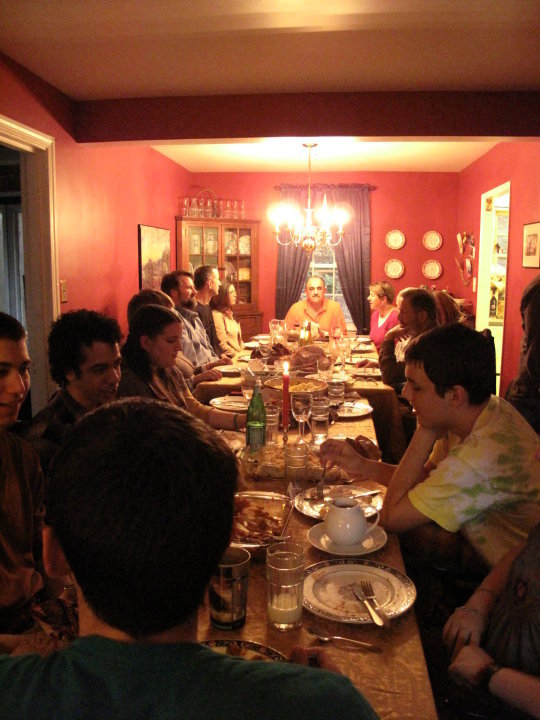
- Churches are coached to break out of their buildings and offer multiple portals for entering their congregation in community spaces – preferably partnering with other churches. Example of what this looks like: Monday Parenting Group meeting in public library; Tuesday God Talk in coffee shop; Wednesday small group in back room of a bar; Thursday Bible study in diner after work; Friday game night in someone’s home; Saturday community work project in a laundromat, school, street corner, nursing home; Sunday worship in gathering space.
- Presbytery Educational Events look more like TED Talks than workshops. Call them TAG Talks (Theology, Art, & God) or FIT Talks (Faith, Ideas, Theology), or LEAD Talks (Leadership, Education, and Development) but they would be pithy, fast paced talks on provocative subjects that have obvious or not-so-obvious links to spiritual communities. Imagine 3 talks per meeting all about a common theme (What I’ve Learned in the Past Year Doing This Weird New Thing, Spiritual Life & Debt, Herding Cats) presented for – if we want to mimic TED Talks – 18 minutes each.
This is what I think about all the time. You?
 Anybody want to start a New Normal Small Group in 2013?
 And this is also an ancient experience as well. The Bible includes the stories of many people adapting to dramatic shifts in their circumstances, often led by God or tumult or both. Imagine a New Normal Bible Study featuring Job, Ruth, Abraham, Esther, Mary, and Paul. Each of them found themselves in situations they would not have chosen for themselves, but life shifted.



 A Church for Starving Artists