
 I’ve heard people say that one thing The 21st Century Church can offer to the world is space for silence. We can not only offer space for silence in our sanctuaries and retreat centers, but we can teach people how to be silent. Clearly, the bells and whistles of multi-media worship will not be helpful in this endeavor.
Pico Iyer wrote recently in the NY Times that the next generation is going to need (wait for it) . . .
stillness.
He, Malcolm Gladwell, Marc Ecko, and assorted other creative thinkers met with advertising people about a year ago to consider “Marketing to the Child of Tomorrow.” What the next generation will need are black hole moments when they can escape from mass communication devices and find freedom from noise. Iyer concedes that many (most?) people will seek this stillness for selfish reasons. They will simply need and want to be calm for their own sakes – to rest deeply, process fully, and focus more clearly on life. It’s the same reason why so many people who don’t self-identify as religious or spiritual people turn to yoga and meditation. They want space to stop and take in the moment – or ponder many moments – without distraction.
We have always been prone to wander in our thoughts and practices, but – having just come from lunch at a lovely Thai Restaurant with a huge television mounted on the wall – we live in a world with constant distraction from The Moment.
On the same day the Times published the Pico Iyer article on the joy of stillness, there was a front page article on the news that U.S. pharmacies have a shortage of ADHD meds. There more people seeking pharmaceuticals to keep them focused and calm than there are pills to fill those prescriptions. ADHD is obviously a medical/chemical problem for some. But the article notes that distracted college students turn to the same meds to help them fix their attention on their work.
It’s not enough for us to play Taize music and light candles. One of the challenges for the church is to teach people how to pray, how to meditate, how to focus on God. Remember that even the first twelve disciples – all ostensibly faithful Jews who would have prayed in the temple and with their families as boys – asked Jesus to teach them how to pray.
Lifelong church people – much less those who have never crossed the threshold of a church building – need space for, lessons about and practice engaging with God in prayer. God’s children of tomorrow will need it more than ever. For that matter, God’s children of today need this too.
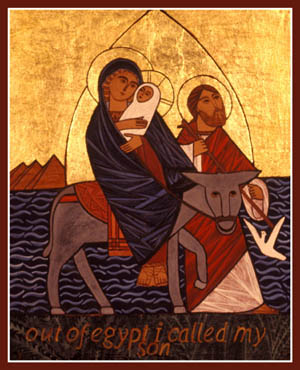
Some people pray to God by focusing on icons. Source for the icon above is here.

 A Church for Starving Artists
thanks for your post. compassionate leadership is needed to teach people in biblical, experiential, behavior transforming ways.
God is calling all creation into black hol-iness of silence.
LikeLike
I co-led a worship gathering for a couple of years where we spent about 10-15 minutes in song, read scripture and then spent another 15-20 minutes in silence, praying and listening. It was a beautiful time. Silence is indeed a rare thing these days.
LikeLike
A couple of years ago, on the Sundays during Lent, I tried to incorporate “smallish” periods of silence throughout the worship service. It turns out more people felt stressed than found it helpful–at least those that commented out loud. I know it’s one tiny sample, and maybe it wasn’t the most helpful of settings, who knows. Silence can feel awkward, too. I do know I crave stillness and quiet. And maybe others don’t quite know that they need those holy moments, after all a busy life must be a productive life. Overall, I agree that our world is too noisy, and visually busy. I just wanna be able to breathe in the quiet stillness and feel refreshed. So, maybe I’ll try to bring in some silence, again, or in other ways…Brittany’s idea above sounds appealing.
LikeLike
We changed our prayers of the people format recently to a joys-and-concerns-then-pastoral-prayer model instead of people voicing their own prayers, in part because they felt the silence between people speaking was too long and too awkward and then people didn’t want to share. but I’ve added a 30 second period of silence at the end of the prayer, before the Lord’s Prayer, and that’s gone very well. Granted, 30 seconds isn’t much time, but it’s a start, I suppose. The lack of quiet in our worlds is a big problem…looking forward to reading that article. Thanks Jan.
LikeLike
“Quiet: The Power of Introverts in a World That Can’t Stop Talking,” by Susan Cain, comes out in three weeks and I hope it will stimulate interest in silence. It’s packed with quotes to ponder like: : “There’s a word for “people who are in their heads too much”: thinkers.” I haven’t finished it yet but thus far it seems that it will help frame the introduction of stillness in this loud world.
LikeLike