
Some leaders prefer to be feared rather than loved. (My favorite example these days involves Florsheim shoes.) I have a theory that leaders who would rather be feared than loved have never experienced unconditional love. They don’t know what it feels like. They have no idea how to offer it.
I heard a comedian recently share that – while his own parents offered him unconditional love – he could have used some conditional love. It would have helped if his parents had said, “We will kick you out of the family if you don’t stop _______.” But his parents never said that. Sometimes this is called tough love.
As a recently retired leader, I have felt the love. I don’t know that any of my colleagues have ever feared me. But I don’t actually believe that this binary understanding of leadership is necessary. If we love someone – and I’m including all the Biblical forms of love* we will share difficult truths. We will hold people accountable. That’s not about being mean or fearsome. That’s about being authentic.
Many of our elected leaders relish being feared: feared by their subordinates, feared by other world leaders, feared by their own family members. This is not strong or healthy leadership.
It’s also not strong or healthy to need to be loved and/or liked to the point of never addressing conflict or making tough decisions. Poor leaders are the fearful ones who don’t want to rock any-sized boat for fear of dividing the organization or offending the powerful.
I’m talking about church leadership here. About halfway through my ministry, a parishioner told me that I was “everybody’s friend.” It was not a compliment. He was saying that I needed to lead God’s people by making decisions that would not please everyone. I needed to stand up for what makes God happy rather than what makes “the biggest givers” happy. And it’s not about bullying or aggressiveness. It’s – ironically – about love.
Do we love God enough to offend those who are standing in the way of making disciples? Do we love God’s people enough to remind country club congregations that Jesus didn’t die for our fun cliques and traditions?
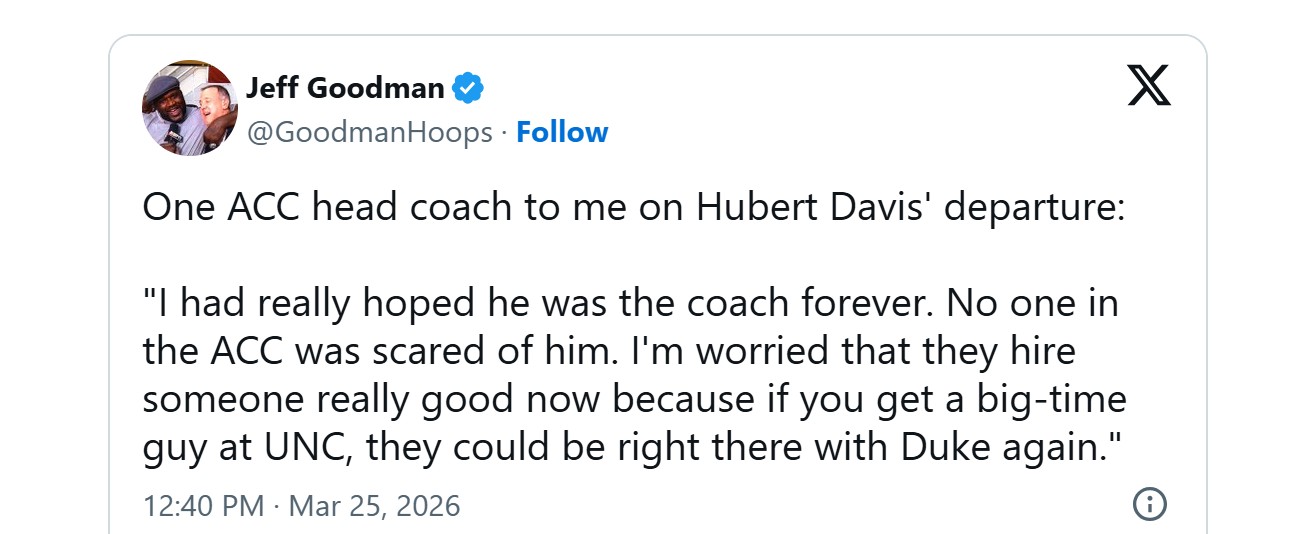
For what it’s worth, I’d rather have a beloved coach like Hubert Davis than somebody who throws chairs at their players. Being loved and having a Christlike character doesn’t mean you can’t be successful. Exhibit A. Exhibit B.
*Agape (unconditional, sacrificial love), Philia (deep affection/friendship), and Eros (romantic love)

 A Church for Starving Artists
I spent the last several years of my career as both a journalist and communications executive in various supervisory positions, responsible not only for hiring and firing, but also managing the folks who reported to me. My approach was ALWAYS leaning toward love. I wanted to make sure I didn’t replicate the bad supervisors I had had in previous years.
And I think I can say it was successful. Upon retirement, and even as folks came and went, many of those individuals I supervised would say I was the “best boss they had ever had.” To this day, even 10 or 20 years after crossing paths with some of them, they still say the same thing.
I always tried to follow the Golden Rule and while I never proselytized, I also was often clear that it and my faith in general, were behind my style.
I believe that is why many of those I had led and/or trained remain successful and recognized by their current peers as being first-rate in all they do.
It doesn’t mean I wouldn’t/couldn’t make hard decisions, but I think I only yelled and cursed once, but there may have been others I’ve forgotten. I also had to tell some that they were being let go, and it was never easy.
At least once, however, my own supervisors did not appreciate how I managed. One of my staff was manic depressive and from time to time this affected her work. I worked with her and was extremely lenient with, never criticizing her absences of bringing up her depression.
However after many years, and a few blowups, including missed assignments and long absences, I helped her arrange a medically related retirement.
As my evaluation came up later that year, I was criticized by my own supervisor for not “getting rid” of the staffer sooner.
(And I continue to believe that it played a part in eventually being RIFFED, due to “business reasons,” of course. Despite that, I don’t regret trying to be understanding and supportive.
I agree with you 100 percent, that being loving is a much better approach that being feared — even if sometimes you get taken advantage of.
LikeLike