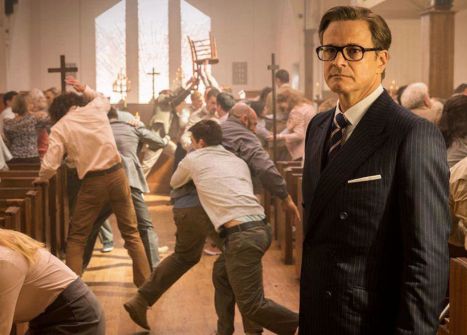
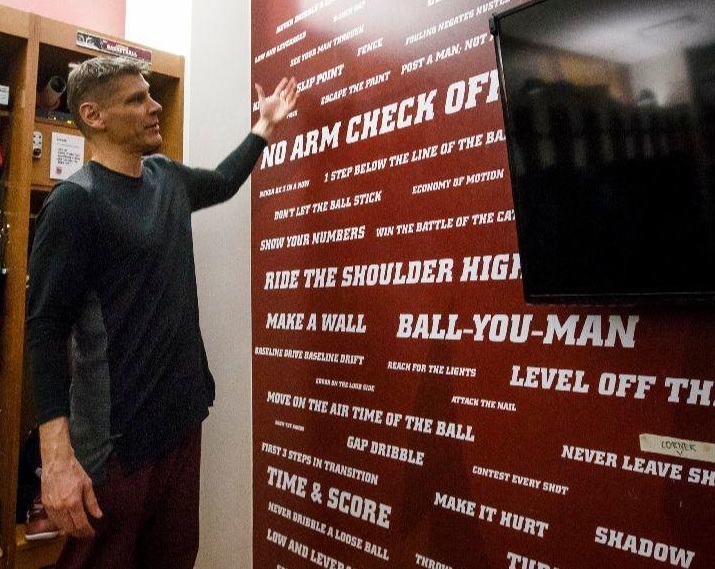
Tom Nichols writes in The Death of Expertise that many of us believe we don’t 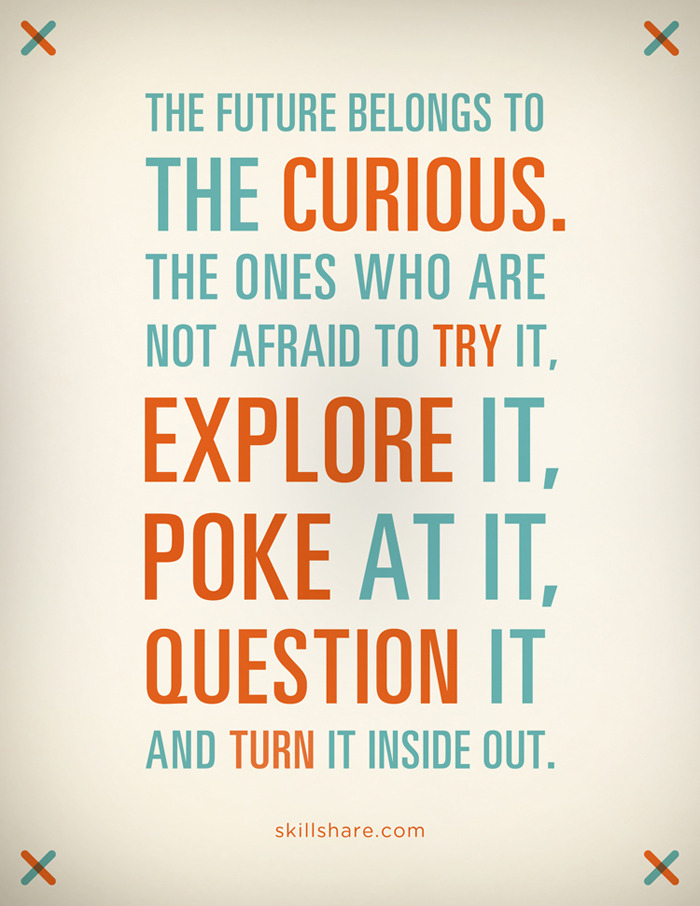 need experts anymore. We can diagnose our own maladies using WebMD. We can install our own ceiling fan using a YouTube video. We can even be a member of the President’s cabinet with no experience leading a multi-million dollar organization. How hard can it be?
There is ongoing conversation about the necessity of trained clergy in the 21st Century Church. Seminary is expensive and professional ministers will never earn enough money to pay hefty student loans. So, what if we minimize what a pastor really needs to know? One can figure out how to do a Hebrew word study using an online concordance. And there are numerous liturgical and preaching websites available to people with and without seminary degrees.
Maybe professional pastors and other church leaders need lots of formal training and maybe we don’t. But the key to our effectiveness and growth is curiosity.
[Brief Rant: I watched Bill Maher’s movie Religulous over the weekend and was much less frustrated by Bill Maher’s snarkitude about God than by the theological ignorance of most of the Christians he interviewed. The Christian faith shared in this movie was so conflated with magic, Hallmark cards, Elf on a Shelf, and Disney World, that it’s no wonder people think Christians are ridiculous. There was very little Biblical literacy and even less theological understanding among the faithful Maher talked with. Come on, people. Pick up a Bible. Read a commentary.]
I appreciate experts.
I like my medical professionals, my construction professionals, and my government professionals well-trained. I love that my doctor and my dentist refer to new studies they are reading. I appreciate teachers who continue to learn. I want my local police officers to be trained in de-escalating a dangerous situation rather than shooting first because “there was something in his hand.” I had my car windshield replaced last week and it gave me comfort and joy to know that Tomas was an expert in replacing windshields.
I also appreciate curious people (who may or may not be experts.)
Knowing that we don’t know everything is essential.
Being curious about what we can learn from others is also essential.
So . . . beware the incurious leader:
- Beware leaders who don’t have any interest in finding out the expertise in the room. (I once worked with someone who was leading a discussion on a book without realizing that the author of the book was in the meeting.)
- Beware leaders who assume that their colleagues were totally ignorant/ineffective/lost before they showed up. (I’ve worked with leaders whose false assumptions about co-workers ruined their ability to build a team.)
- Beware leaders who need to be the smartest person in the room. (It’s not only okay not to be the smartest in the room, but it’s energizing if we aren’t the smartest person in the room.)
- Beware leaders who dismiss people they haven’t heard of. (Just because I haven’t heard of someone, doesn’t mean that person is not a rock star/has a lot to offer.)
Collaboration is more than a word to toss out there in hopes of impressing a pastor nominating committee. Authentic collaboration – with staff members, with teams of volunteers, with ideas people – makes everybody more effective.
And don’t ask “I wonder” questions to seem interested when you really are not. Instead, really wonder.
Image is a stock photo.

 I heard my colleague