How do we plant new churches? Or a better question: how do we make 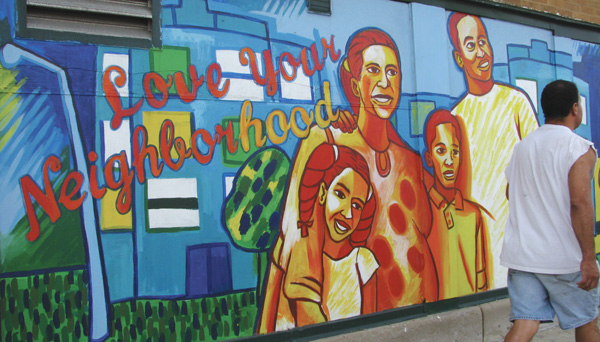 disciples and love our neighbors in 2014?
For Mainline Denominations, the options have been:
- The Parachute Drop Model – Stick an energetic pastor into a new subdivision and watch the people come join in droves. Effectiveness in 2014: not so much.
- The Established-Church-Sending-People-to-Start-Something-On-The-Other-End-of-the-County Model – Church members who live more than 10 miles away agree to break off and start something new in an under-churched corner of town or in a neighboring county. Effectiveness in 2014: meh.
- The Immigrant Start-Up Meeting in an Established Church’s Building – Two congregations partner to share space and maybe even staff. Effective in 2014: excellent IF the established church does not interpret “partnership” to mean “owner-tenant relationship to help us pay our bills.”
But we don’t need any more traditional, established churches with buildings and stuff – at least for now.
We need communities of faith for those who are spiritually curious, who would never “go to church” in a traditional setting.
We need established churches to call Neighborhood Pastors. Here’s my Big Plan to shift the paradigm:
- For churches who can afford to call an additional associate pastor, encourage them to call a “Neighborhood Pastor” who serves only outside the church building. Seriously. No church office. No responsibilities to preach on Sunday from a pulpit (unless he/she is interpreting what a Neighborhood Ministry is all about.) Okay, she/he could come into the church building for staff meetings.
- The Neighborhood Pastor would offer God Talk on Tap events in local bars, communion in parks, and clandestine prayer in coffee shops. That kind of thing.
- The Neighborhood Pastor would befriend and talk with school guidance counselors, police officers, fire fighters, political officials, community health clinic staffers, etc. to figure out a) what the neighborhood needs and b) how we can pray for community leaders.
- The Neighborhood Pastor would report back to the Established Church to discern what breaks God’s heart in the community and then act accordingly offering support, educational classes, and other ministries through the Established Congregation.
- There would be no assumption that the spiritually curious folks who might gather would eventually join the Established Church – unless they decide to make that choice themselves.
This is a huge paradigm shifter because the Lead Pastor and Leaders of the Established Church would have to answer all those questions from members like:
- Why are we paying for an Associate Pastor who’s not serving us and our needs? (Answer with another question: Does our church exist for us or for those who are not with us?)
- What if these people never “join” and help contribute financially? (Answer with another question: Do you contribute financially to this church because it’s personally transactional? You make a pledge and then you get to have your wedding or funeral here? Or do you support the ministry of your church to make disciples and love neighbors?)
- What if this so-called Neighborhood Pastor takes people away from our pews? (Answer with another question: Would you rather have people leave the church and go nowhere? Or leave something traditional to go to a different community where they could connect with Jesus in a new way?)
Thoughts? So many of our churches are (perhaps unconsciously) about perpetuating our institutions. Can you think of any Established Churches ready to make their ministry primarily about the neighborhood?
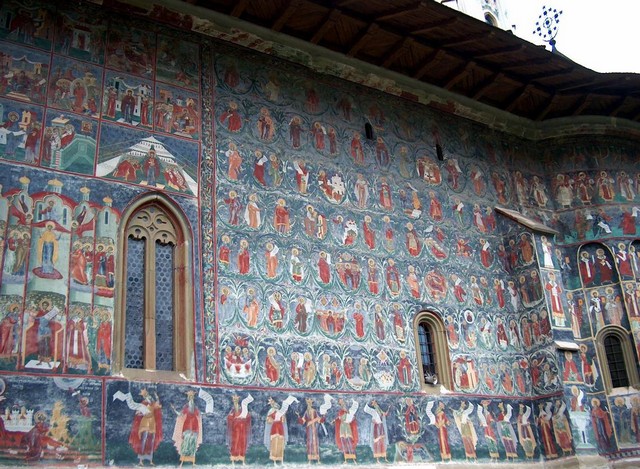
Image is a street mural in the neighborhood of Lawndale, Chicago.