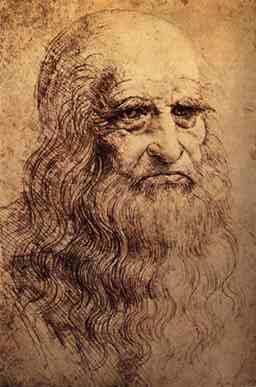
Yesterday, I wrote that I’d like to have a deeper knowledge of brain science so I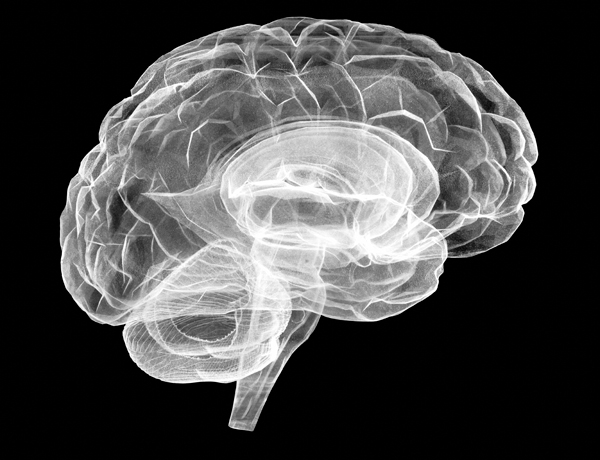 can be more like Leonardo da Vinci. Or something like that.
As I write this from St. Louis – where I’m diving deeply into transitional ministry education – it’s interesting how often brain science is mentioned.
Sisters and brothers, did you know that:
- Our brains work in an “open loop system” which means that if I sense that you might threaten me, my prefrontal cortex will semi-shut down? In other words, when we feel safe, our brains open up to be more creative. (Thank you Rabbi S.M.) This means it’s hard to be creative in a congregation of people who don’t trust each other.
- Research suggests that negative emotions are like Velcro and positive emotions are like Teflon? In other words, constructive criticism sticks to us and compliments slide off us faster than a fried egg glides off a polytetrafluoroethylene skillet . (Thank you Ivey Business Journal.) This means it’s hard to forget that parishioner’s comment about your “disappointing sermon.” But we easily forget the parishioner’s comment about how much the funeral homily meant to them.
I’m telling you: this stuff is fascinating.
Positive emotions bring out the best in people and so consider what it does to someone’s brain when he/she lives in constant fear, deprivation, and anxiety. Or – in Church World – when parishioners believe that their heritage is being taken away or their spiritual practices are being challenged or their sacred assumptions are being crushed.
We. Need. More. Emotionally. Intelligent. Leaders.
Emotional intelligence is a better predictor of pastoral success than straight As on a seminary transcript. Emotionally intelligent people better manage their stress, diffuse anxiety, and promote a climate of optimism and adaptability which makes people feel more innovative. It’s science, people.
Note: while I’m learning this week, I covet your suggestions for further brain science and leadership studies. (Thanks.)






 A Church for Starving Artists