What Kind of Church Will We Be After This Election?

Maybe your congregation leans red.  Maybe it leans blue.  Maybe your congregation is authentically purple.  Maybe nobody ever discusses “politics” or “social justice” or anything remotely controversial – so who really knows how your church leans politically?

[Note: Jesus was killed because of politics.  I’ll just put that out there.]

Our politics influence our faith and our faith influences our politics.  And no matter what we or our congregations believe politically, we will be the Church after the U.S. election.  This is a good time to discern what kind of church we will be.

  • Will we acknowedge out loud that our nation is divided  and pray for peace?  I sadly believe that there are some congregations who will not even acknowledge that there is a consequential election happening.  And others might pray for continued division “for the sake of the gospel.”  How will we pray?
  • Will we recognize that people are heartbroken/angry/disappointed and organize a Zoom gathering to weep and vent and pray together no matter who prevails in the election?  No matter what happens some people will despair.
  • Will we rev up our efforts to serve The Least of These?  God has clearly called us to serve the poor, the sick, the vulnerable, the imprisoned.  We can become paralyzed after this election.  We can become energized.  But whatever we are, we cannot forget our holy purpose.
  • Will we vilify believers who disagree with us?  People of faith have always disagreed.  But will we spend precious time demonizing each other?
  • Will we make a commitment to connect with those who disagree with us?  Will we seek to forgive each other?  Love each other? See each other through the eyes of Christ?
  • Will we offer resources for those whose families and friends have become estranged?  This could be one of the most practical ministries we might offer.
  • Will we commit to do justice, love kindness, and to walk humbly with God – no matter who we voted for?

It’s not too early to consider what kind of church we will be after this election.  My deepest prayer is that we will be the kind of church that pleases God, first and foremost.  Please invite your congregations to consider what happens beyond November 3rd.  We have a little more than four weeks to discern who and what we will be.

Have a beautiful weekend.

Raw

I remember sitting with my mother as she was dying. For the purpose of self care, my Dad, siblings and I took turns being with her.  We believed that whoever happened to be there when she died was supposed to be there but none of us were going to be heroes camping out 24/7 for as long as it would take.

It was comforting to hold her hand and whisper comforting words, but it was also soul-wracking.  When someone is in terrible pain and there’s nothing you can do, it takes it’s toll on the witnesses.  And knowing that more morphine would eventually stop her breathing was also excruciating.

When I would leave my shift and take a break, it was almost offensive to hear people joking around in the hospital elevator.  Didn’t they know I was grieving?  Didn’t they see from the look on my face that I was not okay?

I thought of this yesterday when two African American sisters shared their experiences as People of Color who are dealing – not only with the pandemic – but also with the general realities of Living While Black.  They were well aware that George Floyd could have been their son or brother or nephew.  They could effortlessly imagine Breonna Taylor being their daughter or sister.  The daily trauma of being Black in this country is nothing new.  But add it to the pandemic anxieties and the political news (including confirmation that the President of the United States cannot condemn white supremacy) it feels like a particularly brutal time.

Emotions are raw, and yet privileged White neighbors and colleagues are often going about our business joking around as if the world is okay.  It’s not okay.  The world isn’t okay.  And our Friends of Color are not okay.  When we encounter our Black and Brown neighbors, are we cognizant of what they are going through?

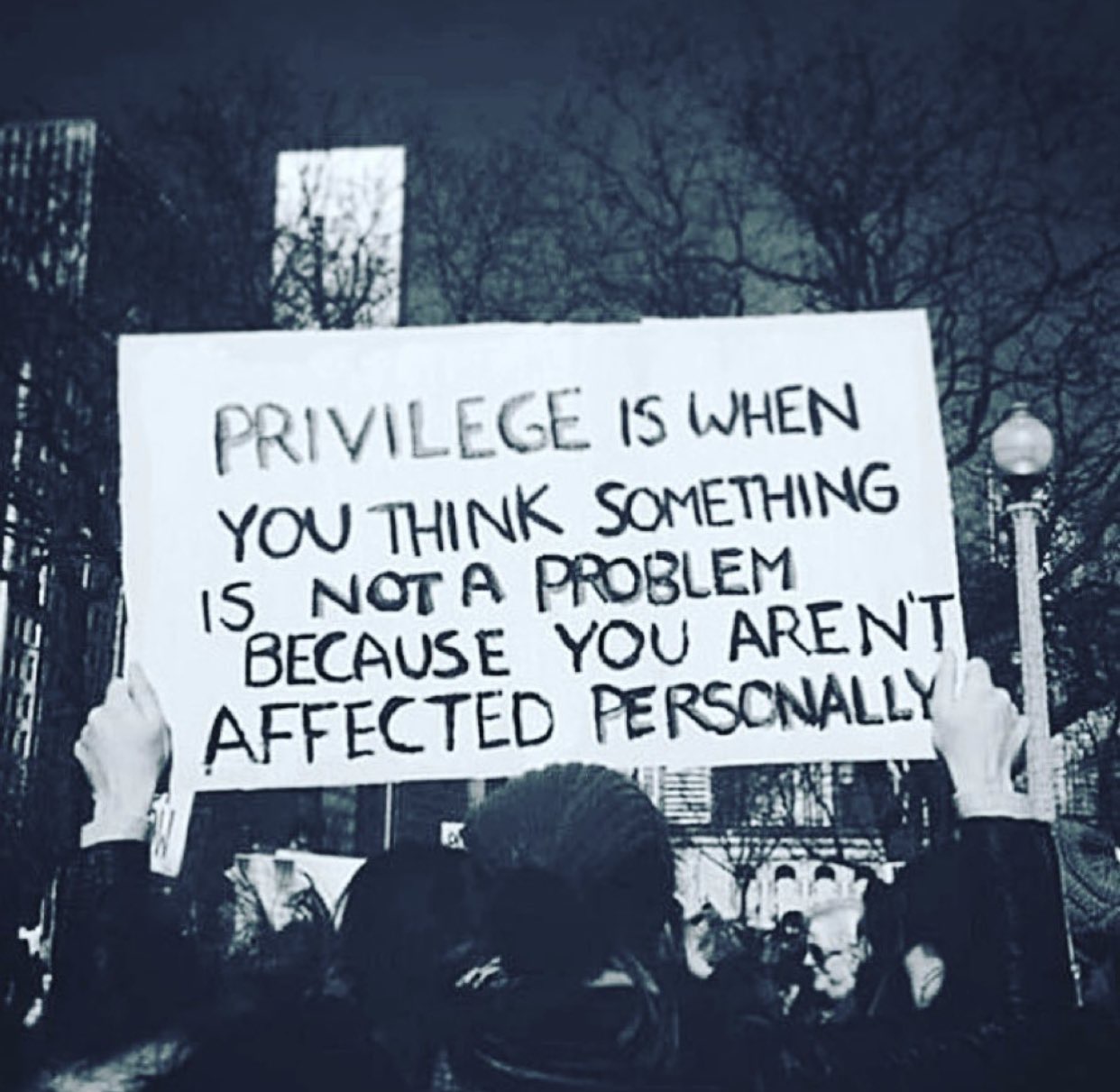
On the other hand, many of us with White skin are not personnally impacted by COVID-19 or police brutality or daily microaggressions.  And so they don’t exist for us.  We have nothing to worry about.  Those issues belong to somebody else.

This is the definition of White Privilege.

But we can do something for those who are affected personally.  We can notice.  We can see them. We can be respective of their grief and rawness.

If – by some chance – your life hasn’t been “so bad” over the past six months, consider why that is.  It might be time to honor the raw nerves of those whose loved ones have had (and maybe died from) COVID-19.  It might be time to acknowledge that a news story is not just a news story for some people.  It might be time to remember that this election season is particularly personal for many of us in terms of who we are and the impact that specific policies will have on us – depending on who prevails on November 3.

I’m not saying don’t be happy.  I’m not saying there is nothing hopeful or funny or beautiful out there.  I’m just saying that even on a gorgeous day, Breonna’s killer is still not being held accountable and at any moment another innocent Black person could be assaulted by the police.

Let’s hold that thought as we go through this lovely Thursday God has given to us.

Top image is a photograph of raw nerves by Gary Holmes.  The bottom image has been widely used over the summer in light of the protests about the killing of unarmed Black Americans.

If You’ve Hit the Pandemic Wall . . .

Have you hit the Pandemic Wall yet?  It’s been six months.

Not one of us can know for sure whether or not this is The Beginning, The Middle, or The End of this COVID 19 Pandemic.  Politics do not determine what a virus will do – no matter what people say.

Some say that the end is around the corner.  And some are saying that it will get worse before it gets better.  We just don’t know.

For religious leaders of several faiths, this is ordinarily The Busy Season:

  • Sukkot is October 2-9 (Jews)
  • World Communion Sunday is this weekend (Mainline Protestant Christians)
  • Reformation Sunday is October 25 (Reformed Mainline Protestant Christians)
  • All Saints Day is November 1 (Roman Catholic and Mainline Protestant Christians)
  • Advent is November 29-December 25 (Roman Catholic and Mainline Christians)
  • Hanukkah is December 10-18 (Jews)
  • Christmas Eve is December 24 (Roman Catholic and Protestant Christians)
  • Christmas Day is December 25 (Roman Catholic and Protestant Christians)

It’s also – ordinarily – the season of new classes, stewardship programs, and Thanksgiving mission events.  If we were all meeting in person, our calendars would be overscheduled with meetings, classes, and hands-on projects.

Most of us still have those overscheduled calendars only we are also dealing with home-schooling students, isolation, inability to travel freely and visit people, limited social outlets, loss of income, change of personal plans, constant criticism from congregants, and general anxiety about the future.

Will people ever “come back” to church”

Will we ever recover from this?

What work are you actually doing from home, anyway?

Here is a well-traveled article by University of Toronto Professor Aisha Ahmad that helps as we have hit the six month mark of this pandemic.  Dr. Ahmad offers comfort and wisdom:

  1. Hitting the wall at six months is normal.  While we might have started with a burst of energy in March, “you may suddenly feel as though you have run out of fuel.”
  2. We need a little break.  Dr. Ahmad’s research with soldiers, disaster relief workers, and others in traumatic situations finds that we are tired at six months in a way that we weren’t tired at three months or we won’t be in a few weeks. “If a physical retreat is not possible, there are ways to create a mental or figurative ‘shore leave’.”  Give yourself permission to read a whole novel, take afternoon naps, walk outside more.  Re-watch all the Harry Potter movies.  Stare into space with your favorite cup of warm beverage.
  3. Double up on Self-Care.  If you ordinarily see a therapist, coach, or spiritual director consider adding more time with them if needed.  Start later in the day or end earlier.  Take a daily nap. Get a mani-pedi/massage (whatever you can legally do in your state) as often as you can afford it.  Call your mom.  Call someone who loves you like your mom.
  4. Manage expectations. “It’s unreasonable to expect to be sparklingly happy or wildly creative right now.”  If it takes five days to write a stewardship letter, let it take five days.
  5. Don’t Be Afraid Going Forward.  We’ve learned things since March. We’ve adapted – maybe quickly, maybe slowly.  We can do this because we’ve done it.
  6. Don’t Bash Your Head Against the Wall.  We’ll get on the other side of it but not by hurting ourselves.

And if we are tempted to give other people a hard time right now – please, for the love of God – be kind.  Stop judging those working from home.  Do something kind for your spiritual leaders.  No bullying.  No second-guessing your pastors, priests, rabbis, imams especially about COVID-19 safety issues.

Yes, we are hitting a wall.  Yes, the winter is coming.  This is an excellent time to grant grace to ourselves and to each other.

The Right Kind of Christian

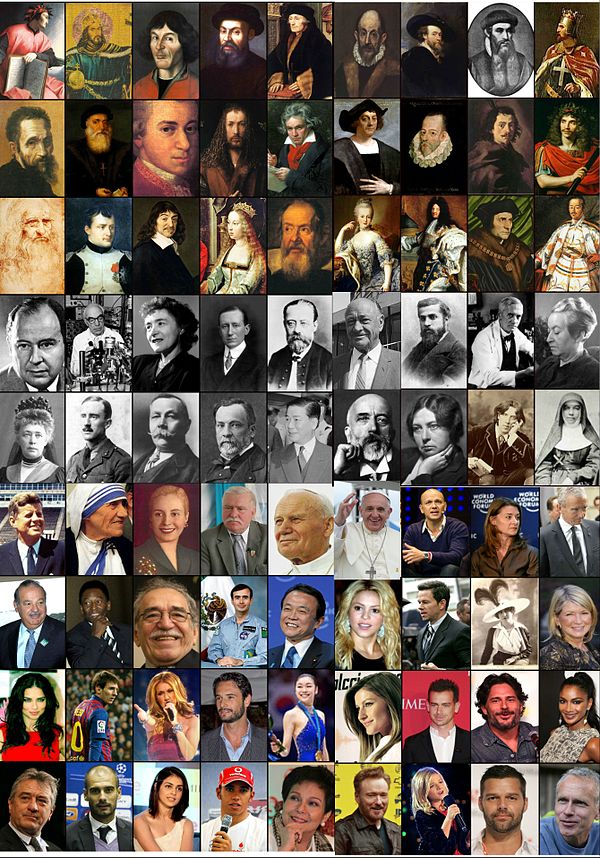
All these people self-identify as Roman Catholic Christians:

  • Amy Coney Barrett
  • Joe Biden
  • Mel Gibson
  • Donna Brazile
  • Sonia Sotomayor
  • Jimmy Fallon
  • Clarence Thomas
  • Nancy Pelosi
  • Melania Trump
  • Andrew Cuomo
  • William Barr

29% of the humans currently living on planet Earth consider themselves to be some kind of Christian.  And even since the days of Jesus, there has never been universal agreement on who is The Right Kind of Christian.  Seriously – read the Greek Testament if you disagree.

Christians have historically killed each other for 2000 years when they’ve disagreed on what a Real Christian believes.  Ironic, right?

I remember the first time I was told that I wasn’t a “real Christian.”  I was a college freshman who had several points against me: I was raised Presbyterian and baptized as an infant. I didn’t not speak in tongues.  I did not belong to Campus Crusade for Christ (an unfortunate name which has since been changed to “Cru”) or Intervarsity.  I was not on Young Life staff – although I’d been a part of Young Life in high school.  I was not in the cool Bible study in my college dorm.  I did worship with The Chapel Hill Bible Church – so that counted for something.  And when I talked with the lead pastor about going to seminary, he didn’t say “no.”  He believed that God might even call women to professional ministry – although he kept such beliefs to himself.

The consideration of Amy Coney Barrett as the next Supreme Court Justice will not be about whether or not she is the Right Kind of Christian – although some are trying to make it appear to be about that.  It’s actually about politics.

We choose our politics – most of the time – based not on what the Bible says but on what we already believe.  Who is The Right Kind of Christian?

I’ll put myself out on a limb and say that I believe that being a Christian means being Pro-Life.  The tricky part is: What does it mean to be Pro-Life?

  • You believe abortion is wrong in all circumstances?
  • You believe capital punishment is wrong in all circumstances?
  • You believe health care is a human right for all people?
  • You believe safe housing is a human right for all people?
  • You believe that healthy food is a human right for all people?
  • You believe in giving safe harbor to victims of war?
  • You believe in giving refuge to victims of natural disasters?
  • You believe in giving medicine to all who are sick?

Show me a person to believes each of those things and I’ll show you someone who is consistently Pro-Life.  I have a hard time believing you are Pro-Life if you want to outlaw abortions and you are also in favor of the death penalty.  I have a hard time believing you are Pro-Life if you support civilians owning assault rifles.  I have a hard time believing you are Pro-Life if you oppose health care for all.

I can’t explain my own inconsistencies and maybe you can’t either.  We are all hypocrites.

We also can’t fully judge Amy Coney Barrett’s identity as anti-racist or racist, anti-feminist or feminist, pro-life or not pro-life based on the skin color of her children, her law degree, or her stand on abortion alone.  What’s her story?  And how will her story influence the stories of others who come before her in court?

When people tell me they are against abortion, I think of the story of the anti-abortion member in my first church who asked me to help her 14 year daughter get an abortion after a boy raped her at a party.  When people tell me they are against the death penalty, I think of the family in my hometown who protested against the death penalty in Raleigh until their child was kidnapped and found dead.  When people tell me that they don’t want “those people” moving into their neighborhood, I think of the story of the Pages of Flossmoor – an elegant, extraordinary couple who were the first African Americans to move into my neighborhood and how any of us would be unspeakably fortunate to have them as neighbors.  When people tell me that they don’t want “those people” in their country, I think about the two young men from Ghana who worshipped with us in Virginia and longed for a safe home here in the States.  As I said in my letters to Immigration, I would trust them with my children’s lives – and we did.

We need to hear each other’s stories.  Relationships make us wiser and they also make us more compassionate.  It’s hard to vilify people when we know their stories.

And sometimes Christians simply disagree. Nobody has cornered the market on God’s Truth – except One.

We Christians are excellent at judging each other to be heretics but this is not our role.  It is our role to judge people regarding other things though:

  • Who is best suited to receive a lifetime appointment to judge others in the highest courts?
  • Who is best suited to serve and protect our communities?
  • Who is best suited to govern the people in hopes of promoting liberty and justice for all?

I am not the Right Kind of Christian for some people and that’s okay.  Your judgement doesn’t concern me as much as God’s judgement.

And in the meantime, we who self-identify as Christian must discern whom we will judge to best serve our nation according to what we believe is right in accordance with what we believe Jesus calls us to be and do.  At least this is my hope.

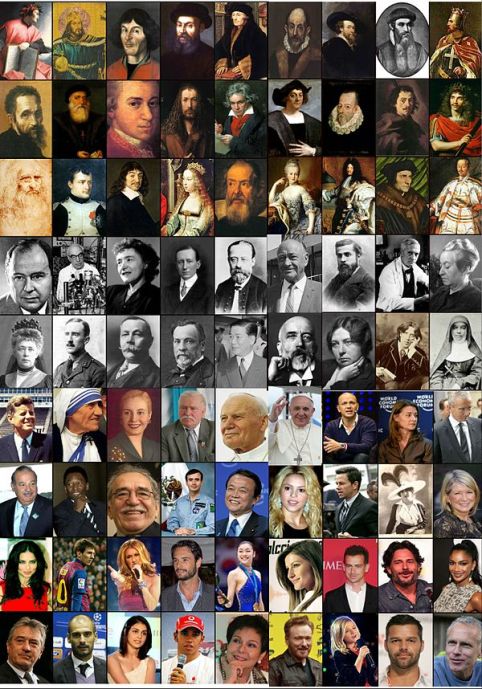
Image of Roman Catholics through history. Source.

Image

God is Love (But I Can’t Stand Much More of This)

It was great to get away and it’s good to return home, and while I was gone Schitt’s Creek won all the Emmys, Breonna’s neighbor’s property was judged to be worth more than her life, RBG laid in state in the Capital Rotunda and a new Supreme Court Justice was nominated.

Just another week in 2020.

I’ve stopped believing that “everything’s going to be okay because Jesus.” I believe that we are called to make an effort (i.e. Peace doesn’t just happen. Jesus commands that we take some responsibilitity whether than means actively seeking justice or carving out some additional prayer time.)

The problem is that we vilify each other.  (I’ll address Amy Coney Barrett tomorrow.)  We peg each other.  We make (false) assumptions about each other.  We confuse real listening with waiting for our turn to talk. I read the above Letter to the Editor over the weekend from my University’s Alumni Review and found myself angrily exegeting it.  The writer was responding to the recent decision by the UNC Board of Trustees to remove the names off of four campus buildings because they had been named for men with racist histories.   My comments on the letter:
  • He doesn’t believe there is racial injustice in the US anymore?  OMG. Where do I begin? (Let’s compare the death of Brionna Taylor to the death of Justine Ruszczyk.)
  • Nobody’s asking him to apologize for being White.  
  • Nobody’s asking him to “bow down to Black Lives Matter or any other group.”  BLM is not the LORD.  It’s a movement to express that people with Black skin deserve what people with White skin deserve.  No more.  No less.
  •  It’s “spineless” to remove names from buildings.  Actually it’s brave to take a stand – especially when it confronts tradition.

I can’t continue living this way: constantly feeling torn up about the state of our Union.  Like you, I watch political ads that tell half-truths or overt lies.  I see and hear mockery between candidates.

Overhead in the past week by real people I know with my own ears:

  • “He told his mother that she would never see her grandchildren again if she voted for Trump. And I don’t think he’s exaggerating.”
  • “How can you call yourself a Christian if you vote for Biden?”

Who is a Real Christian and who is a Christian Nationalist and who is a True American and who is an Evangelical and who is a Racist and who is really Pro-Life? 

Is there a way to love each other without selling our souls?  (This is a real question.)

Wise people offer this advice:

  • When we thoroughly disagree with someone, ask What are you seeing that I’m not seeing?”  (Thanks MAMD.)
  • Listen to personal stories.  (Especially crucial to hear the stories of people who are not White, Straight, or descended from people who’ve been in the US for more than a generation.  If you don’t know anyone in those demographics then Step One is to befriend someone who is not like you.)
  • Aim to open your opponent’s mind, not change it.  More here.  (Note: I tried to find a comparable article by a Fox News reporter and need your help finding one because I’d really like to link it here too.)

We are headed for some serious pain this Election Day and beyond – no matter who prevails.  Praying for peace is a good idea.  Working for justice is also required by God, according to Scripture.

It’s occurred to me that this season could be our Babylonian Exile.  I’m often shocked that God hasn’t blown us to smithereens and started all over again.  We have thoroughly defied every divine commandment.  Maybe that’s something we can all agree on.

God is love.  And I’m praying we experience and imitate that love more and more and more everyday.  There’s healing power in loving even our enemies.  Dammit.

Taking a Break

I’m away this week taking some Sabbath time.  Take gentle care of yourselves.  Breathe.  See you soon.

For the mountains may depart and the hills be removed,
but my steadfast love shall not depart from you,
   and my covenant of peace shall not be removed,
   says the Lord, who has compassion on you. Isaiah 54:10


Pastors Overwhelmed

I read recently that a young clergywoman in a Mainline denomination took her own life last week.  I don’t know her name or anything else about her, but this breaks my heart.  A gifted child of God who was called to professional ministry considered death by suicide as an option and she took that option.

If you have a pastor or if you know a pastor, please offer that pastor a break.  Share encouraging words. Contribute to a gift card to Door Dash or Air BNB.  Write a quick note.  Please.

Here’s what pastors do not need right now:

  • Your complaints about online worship.  Maybe you hate it.  Maybe you like it.  But your pastor is trying to do their best.  Help them.  Give them the equipment or volunteer hours or funds they need to do this.  Volunteer to preach or find a guest preacher to give them a Sunday off.
  • Your accusations that they aren’t working very hard, especially if they are working from home.  Actually, work is different now for everybody and it’s spilling into all hours of the day and night. Pastor Parents of young children are dealing with a lot right now – just like people in other occupations working from home.
  • Your political frustrations.  Yes, the world is divided and hot.  Do not criticize your pastor for trying to serve God in the thick of Black Lives Matter and Blue Lives Matter. Encourage your pastor to speak the Truth in love.
  • Your efforts to go rogue.  If your leaders have voted to hold off on in-person worship, don’t organize a coup and gather at the sanctuary with cranky signage.  Your leaders make decisions based on the law and the health of members and staff.  Let them lead.
  • Your hand-wringing.  Yes we all worry about when we’ll get back to some semblance of normality.  Your pastor might be worried too.  Don’t pile on.
  • Your ghosting.  This is not the time to stop participating in worship gatherings or Bible studies.  This is not the the time to refrain from making financial contributions.  While you disappear, your pastors are working harder than ever to lead the church.  They can’t disappear themselves.
  • Your negativity.  This is actually a great time to come together as the Church.  The Church has so many new options for making a difference in your neighborhood, your town, your corner of the world.  What new thing is God calling you to do and be?

What I’m not saying:

I’m not saying we should be skipping happily through the day.  People are grieving everything from the loss of human life to the loss of human connection.  We miss so many pre-pandemic things.

Your pastor feels this in a deeply spiritual way, as well as in an emotional, physical, and social way.  Be a sibling in Christ.  Recognize that these are not easy times for your spiritual leaders.

They deserve God’s grace too.

If you are overwhelmed and need help, please contact your doctor or the National Suicide Prevention Lifeline: 1-800-273-8255

Today is the 16th. Tomorrow will be the 17th.

This is one of those blog posts that makes me want to say, “I’m fine. I don’t really need for you to offer sympathy or anything.”  Just a heads up.

Today marks the anniversary of my Mom’s death from metastatic breast cancer, and unlike the previous Death Days, today marks the moment I’ve lived longer without a mother than with one.  Ugh.

And yet I’m lucky I had her for 32 years.  I’m lucky to have had a mom into my young adulthood, and a really stellar one at that, when much of the world doesn’t get that random life benefit.

Today is the 16th of September and tomorrow will the 17th.

34 years ago on September 17 – and pre-HIPAA – Mom’s doctor (and a family friend) told me on the phone while I was in the kitchen of the manse of my first congregation in rural NY that her cancer had spread.  “It’s in her lungs and bones. It’s even spread to her toe bones,”  he said.

I asked him if I should quit my job and come home and – of course – he said he couldn’t tell me that.  But he did offer this, “I don’t think she’ll be alive a year from now and there’s no way she’ll be alive two years from now.

He was trying to give me a general time table.

  • That afternoon, on September 17, 1986 I met HH on a blind date.
  • We were married in 1987 and Mom was there.
  • And on September 16, 1988 she died.

So today’s the 16th of September and I remember those last hours with Mom in a morphine coma until she finally stopped breathing while I held her hand and told her she was the Best Mom Ever.

And tomorrow will be the 17th when I’ll remember the first time I saw HH’s face.  Terrible things happen and then – if we are very fortunate – healing things happen.  And we thank God for that.

The world is literally and figuratively on fire today and yet there is hope for healing.  We all need to be healed and God knows that.  And I’m so grateful.

Why Congregations Make Decisions That Keep Them Stuck.

I’m reading 2030: How Today’s Biggest Trends Will Collide and Reshape The Future of Everything by Mauro F. Guillen and it finally makes sense – why congregations make decisions that keep them stuck.

Let’s say that your congregation is deciding whether or not to turn a house they own into a shelter for abused women and children.  The non-profit managing local domestic abuse assistance is doing most of the work.  They are making the necessary house improvements at no cost to the church.  They are training the staff.  They are coordinating with the local police and court system.  They’ve been looking for suitable housing for a shelter for years and this particular house – owned by the church – is perfect.  The mission outreach of the congregation could make a positive impact in the community in an area with great need.

The elders vote against it. Several of them asked questions like:

  • What if we want to sell that house for income?
  • What if someone in the church wants to rent it?
  • What if the Boy Scout Troop could use that house one day?

This is called “loss aversion bias.”  We make bad decisions, Guillen writes, because “people have a tendency to prefer avoiding losses rather than locking in equivalent gains.”  We are more afraid of loss than we are excited about possible growth.

This is why a congregation decides not to change the purpose of their unused Christian Education wing.  This is why a congregation decides not to start a new ministry with immigrant children.  This is why a congregation turns down the opportunity to partner with the other houses of worship in town to build affordable housing together.  What if it doesn’t work?  What if we can’t actually do it?  What if we regret it?

This is why we fear the possibility of a family “leaving the church” even if it means that new families would join.

Economist Theresa Wiig from the University of Belgen in Norway has found that “losses loom larger than gains” in the hearts and minds of those with the power to make impactful choices.  This feels especially true for churches.

Our longtime church people have memories of a different time when nobody talked about domestic violence much less did something about it.  Fifty years ago, we didn’t address racism or drug abuse or mental illness or poverty or substandard education – unless we sent checks and studied about it but kept our distance.

Today the most effective congregations in terms of bringing on The Reign of God (something Jesus talked about quite often) are hands-on, entrepreneurial, relational, risk-taking churches.  The churches – of any size – who are addressing the sorrows and hurts of their community are thriving.  Younger generations are generally meeting-averse but they will take a Saturday to serve their neighbors.  There are people in our congregations who can indeed see the benefits of hosting an important mission project in their church building or becoming known for a signature calling.  And the benefits are not merely selfish (so that “new members will come.”)  The benefits are that love of neighbor is pleasing to God.  It’s why we are the Church.

Our bias to loss aversion has become neutralized a bit during this pandemic because we’ve had no choice but to adapt.  We could shut down, or we could adapt.  Most of us have adapted.

And when it’s over and there’s a vaccine, we can’t go back to fearing losses more than anticipating wins.  God is always doing a new thing.  We get to participate in these new things and that’s part of the miracle.

Faces of Power

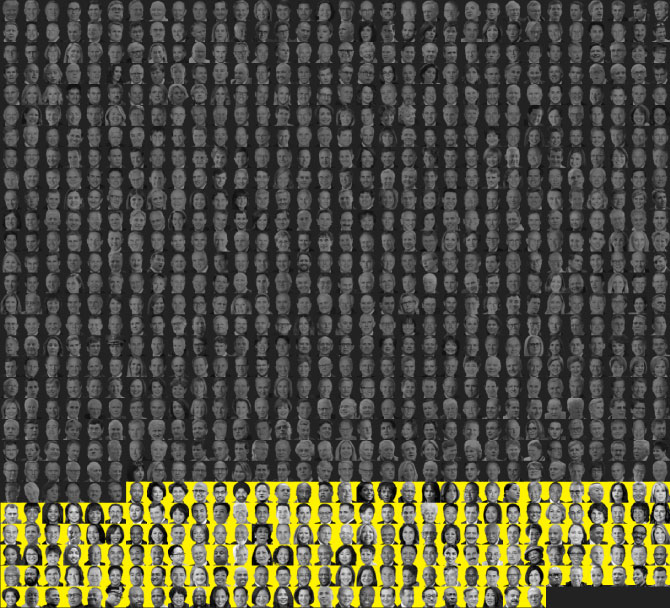
This article in last week’s New York Times is a good topic for discussion.

It shows the head shots of 922 of the most powerful people in the United States – the police chiefs, judges, military leaders, business executives, university presidents, news media executives, book and magazine publishers, music producers, studio heads, fashion executives, and professional sports team owners.  You can see on the image here that the ones highlighted in yellow are People of Color.  The rest are White.

This is not surprising.

When I hear White People say that “the Blacks” or “the Asians” or “the Hispanics” or whatever are “taking over” I assume they are afraid of losing their privilege in the world. But representation matters and we can do better in terms of including leaders who come with different life experiences, backgrounds, and perspectives.  And several studies show that diversity is good for business.  This is old news.

We in the Church are barely scratching the service in terms of being inclusive.  Congregations seeking new pastors like the idea of calling a person who is not from the dominant culture of that church.  But there is a great deal of work to do before that can happen in a healthy way.

For fun, I wrote down the people I consider to be the most powerful in my own denomination.  Some of them hold high offices and titles.  Some are behind-the-scenes leaders.  Some are the go-to people for conferences and workshops on everything from anti-racism training to church vitality events.

I am not going to name them.  You can come up with your own list.  But I was encouraged by mine. Among those I personally consider the Faces of Power in my corner of the Church of Jesus Christ are:

  • 7 White Males
  • 7 Black Females
  • 5 Black Males
  • 5 White Females
  • 3 Latin Females
  • 1 Native Female
  • 1 Asian Female
  • 1 Asian Male*

They range in ages from their 30s to their 60s. They lead from pulpits and board rooms.  Their platforms all involve making the world better by making the Church better.

I’m encouraged by the diversity of these faces and yet I recognize that my choices may not be yours.  (Most of mine could also be called Most Likely To Get Into Good Trouble.)

And while The Church of Jesus Christ is remarkably imperfect, we are slowly, slowly moving toward being the rainbow God created us to be.  It’s painful – especially for the prophets on my list who get roughed up out there.  But – unlike the 922 pictured above – my list is trying to shift the culture for the sake of Jesus.

Shifting the culture for the sake of Jesus is what all of us are called to do.

*Although you don’t know who you are, my apologies for not categorizing some of you in the fullness of who you are.