“Crazy” is considered a slur in many circles these days, and yet it’s a word used  often to describe everyday life:
- “My schedule is crazy.”
- “Those kids are driving me crazy.”
- “Are you crazy?”
Some people even believe that Christians – and other people of faith – are a little crazy to believe in God, miracles, the power of prayer, etc. Others say there’s merely a fine line between ecstatic spiritual devotion and brain disorders.
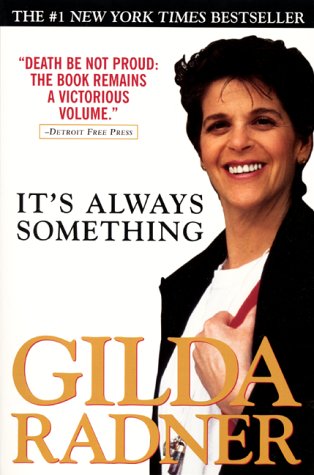
But the truth is that any seasoned pastor has witnessed serious mental illness in parish life. A professional therapist once sent me this book so I might understand a borderline parishioner who was hurting and hurtful, while mayhem ensued in our congregation.
Our spiritual communities are comprised of people with addictions, schizophrenia, depression, phobias, and combinations of all the above. They serve alongside us as elders and deacons, teachers and choir members, office volunteers and nursery workers. [To be fair, some pastors also suffer with serious mental disabilities, but the hope is that they will be removed from professional ministry – at least temporarily – to ensure healthier congregations. It’s hard to shepherd God’s people if the shepherd is lost and sick.]
Do we prepare future pastors how to spot behavior that can perpetuate dysfunction and create havoc in a church system? I haven’t seen such classes, but maybe you have.
I know from experience that the best laid plans for mission and ministry can be sabotaged by just one person who wrestles with serious insecurities much less demons. And small congregations with limited members seem especially susceptible. If small churches are struggling to keep members, they will tolerate unhealthy behaviors for a long time.
Pastors out there:
- Did you get any seminary training in identifying mental illness?
- Did you receive strategies in working with difficult people whose difficulties might be connected to brain diseases?
Yes – many of us received Clinical Pastoral Education, perhaps even in a mental health facility, but what about basic training in dealing with bullies, liars, saboteurs, and passive-aggressors?
Congregations increasingly include such folks, and it would help to have the beginning of a clue how to identify those who need a special kind of pastoral care. Ideas?
Image from last week’s episode of Mad Men. Sadly, Michael Ginsberg is truly mad.