
[T]he knowledge of God and the knowledge of ourselves are bound together by a mutual tie . . . John Calvin*
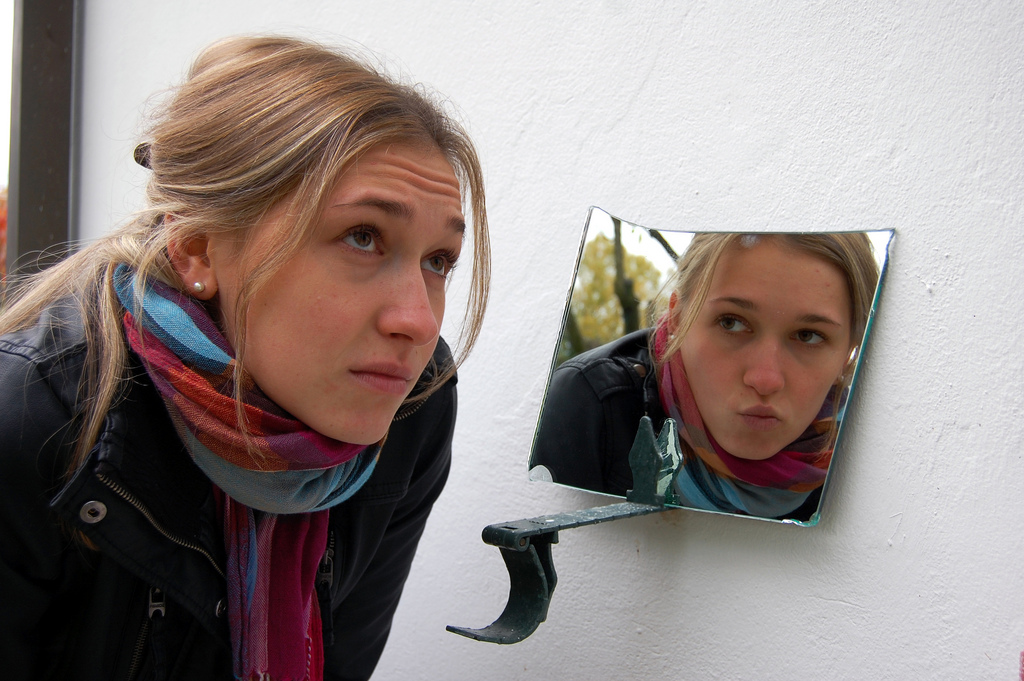 Late one night I was called to the hospital to sit with a beloved parishioner. She was fine, but a frenemy of hers was dying and 1) she didn’t want him to die alone and 2) she didn’t want to be alone with him when he died.
I threw on some jeans and a sweatshirt and met her at his bedside. He was already on the cusp of eternity and as we sat through the wee hours together K. regaled me with stories about what a terrible person this guy was. Seriously, he was not a good guy. But she was a really good person and she didn’t want his life to end without an advocate present.
After several hours, a hospital chaplain came into the room, took at look at the scene before her and assumed that K was the grieving soon-to-be-widow and I must be their grieving daughter. She introduced herself but she didn’t ask who we were, how we were, and why we were sitting there. She invited us to pray so we all held hands while she offered up to God some earnest requests that the Spirit would comfort both this devastated woman as she witnessed her husband’s death and their broken daughter as they said good-bye. The whole time we were praying, K squeezed my hand so hard that I thought she’d break it.
The chaplain left, K and I burst into gales of laughter, and then we stayed through the night until the man passed away. I always imagined tracking down that chaplain later to share what our experience had been versus what her experience had been.
What the chaplain might have thought: “I’m so glad I could be there to bring peace and comfort to that grieving mother-daughter team in their hour of darkness as their much-loved husband and father died.“
What K and I thought: “She had no idea how ridiculous that whole scenario went down.“
One of the most basic spiritual disciplines involves distinguishing between what we think is going on versus what’s really going on. One of the differences between an effective minister and an ineffective minister (and by “minister” I mean anyone serving others) is genuinely knowing who we are and how we come across to others. As I work with people preparing for professional ministry, being authentic and knowing ourselves is everything.
*From The Institutes of the Christian Religion, 1.1.2-3








 A Church for Starving Artists