Praying Well with Others

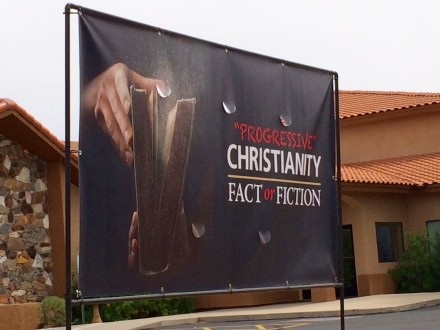
One of 8 Banners in Fountain Hills, AZ Advertising a Series Decrying Progressive Christianity

One of 8 Banners in Fountain Hills, AZ Advertising a Series Decrying Progressive Christianity

I am blessed with three siblings. We are all unified in our love for each other and diverse in our theology. We also agree that none of us has cornered the market on God’s Truth.

With this in mind, I am struck by the campaign of eight churches in Fountain Hills, Arizona who have ganged up on one of their sibling churches whom they deem to be “apostate.”

Those are dangerous words, my friends. (Here‘s the website of the church under attack with their pastor’s response.)

Eight Protestant pastors in Fountain Hills all agreed to preach a series of sermons called “Progressive Christianity: Fact or Fiction?” They penned a united op-ed for their local newspaper that you can read here.

[Note: Among the most heinous things written in the article is the reference to the great John Wooden who was indeed all about the basics of basketball, but – another article – Coach Wooden “never imposed his Christian faith on anyone, only insisting that his players ‘have a religion and believe in it.‘” Exhibit A: Kareem Abdul Jabbar who converted to Islam during his years on Wooden’s team. The Fountain Hills Eight have used the wrong example if they believe that John Wooden would have supported their efforts.]

In my house, we do not mess with John Wooden.

The Fountain Hills Eight are asking these questions in their sermons, united against their neighbors in The Fountains United Methodist Church:

  1. What is the difference between “Progressive” Christianity and Biblical Christianity?
  2. Does that difference really matter in a relativistic age?
  3. How can a Christian decipher what he or she should believe?

Slow down gentlemen.

Accusing Progressive Christianity of being different from “Biblical Christianity” reminds me of the time I sat beside a man in an airplane once who told me that he was the pastor of a Bible Church. “That’s so cool,” I said. “I’m the pastor of a Bible Church too. It’s called The Presbyterian United Church of Schaghticoke.”

I take the Bible so seriously that I want to dissect it, study under, over, around, and through it – preferably in the most original languages we have. I want to understand what it meant when it was written, when it was first read, and as we read it today for a 21st Century Church.

  • Do I believe that God never changes? Sort of. Keep in mind that even the Bible shares examples of God changing God’s mind. (Hello Jonah.)
  • Do I believe Mary was a virgin? Sure, but honestly, my faith doesn’t rise or fall on Mary’s virginity. If we found out conclusively somehow that she wasn’t a virgin, would we toss everything thing else?
  • Do I believe that Jesus is The Only Way? Absolutely, but what does Jesus mean by “Way” here? (And don’t think for a second I’m pulling a Bill Clinton – “it depends on what the meaning of the word is is” – kind of verbal gymnastics.) Scripture speaks of people who speak all the right words but do not live the way of Jesus. God bless the Pharisees who believed they were following the right way only to miss the point completely. I know Muslim, Jewish, and Atheist friends who follow the way of Jesus quite closely. Do they call Jesus “Lord”? Nope. But I trust in a non-Pharisaical God. And it seems that this was the way of Jesus too.

How do we discern what to believe? I suggest reading the Pentecost story very carefully this week. The Spirit continues to work and speak as it happened in Acts 10. God still has no partiality. God still calls us to move in directions that we once believed were unfaithful. God still sends us places we don’t necessarily want to go.

I have brothers and sisters in Christ who interpret Scripture in a different way from how I interpret it. But note: we are all interpreting it. We all consider some verses more essential than others. Not one of us takes it literally, even when we say we do. Rachel Held Evans and A.J. Jacobs are required reading for those who believe it’s possible to take the Bible literally.

God calls us to pray well with others. I believe in the Jesus who had dinner at the home of Zaccheaus the loathed tax collector even at the risk of offending the faithful. I believe in the Jesus who touched an unclean woman even though it would have rendered him unable to enter the temple. I believe in the Jesus who told parables that rocked everything believers had been taught. Helpful Samaritans? Really?

It’s a particular congregation’s choice to worship in the way we will and believe what we do. But we are treading on dangerous cosmic ground if we expend our energies throwing theological stones. It’s the kind of action that sadly supports what too many people believe about the church.

Evidence of the Existence of Satan?

Jesus v SatanOn Tuesday my friend D and I were talking on the commuter train about the high incidence of LBGTQ kids born into conservative evangelical Christian families.

Me:  I’ve come to believe this is evidence of the existence of God.  “You have a hard time with gay people?  Meet your daughter.”

D:  Or the existence of Satan.  You have no idea how terrifying it is to be a gay kid in a family that gives money to organizations that want to arrest gay people. 

My jaw dropped.

I had never once considered this  – mostly because I can be an idiot sometimes.  I was imagining families like this one or this one –  shifting their views because their beloved son or daughter was gay.  I was not imagining the horror of being in a family that would respond by humiliating or condemning or banishing their child.  Or trying to “beat the gay out” of their child.  Or even killing their child.

Lord, have mercy.  I’ll say it again:  I can be an idiot.

Nevertheless, I still believe that God can use everything for good – including the conservative Christian families who are blessed with an LGBTQ child.  When churches like this one provide safe haven in the name of Jesus Christ, I see the hand of God.  When congregations like these make the conscious decision to support LGBTQ people, I see the hand of God.  It reminds me of this verse in Genesis.  God can make something good even out of evil.

In our own lives, in our own congregations regarding LGBTQ people, are we displaying evidence of the existence of God or the existence of Satan?  It’s a real question.

Pew’s latest report on religion in the USA states that 48% of all LGBTQ people self-identify as Christian – which is shocking considering how many congregations do not welcome these folks, much less celebrate their leadership gifts or marriage commitments.  But we can be the kind of communities that love in the likeness of Jesus – further evidence that God changes everything for good.

Next steps:  there are a lot of LGBTQ people out there who most likely do not have church affiliation.  How might we offer a welcoming, nourishing community?

Image source.

One of My Favorite Cultural Shifts

On the first day of third grade, a little blonde girl I’d never seen before came up Mentorsto me on the playground and announced, “I’m going to be your best friend this year.”  Although she was perfectly nice, it didn’t work out that way.  It takes more than a declaration to become friends.  She was new and probably lonely and definitely gutsy.

As young pastors and other professionals are encouraged to Get A Mentor, I think about that little blonde girl.  As in the case of best friends, we can’t merely hunt down and claim a mentor.  It’s an organic, natural process.  Relationships are made and they bloom or not.

In a perfect world, we mentor each other.  Exhibit A.

I know people who seek out Church Celebrities in hopes of being mentored by them.  But it still doesn’t work that way.  Maybe we ask someone to be our mentor, but the relationship never clicks.  Perhaps it’s too one-sided, based on  I-want-something-from-you rather than mutual sharing.

One of the most fortunate shifts in 21st Century Church Culture is the transition from transactional ministry (I joined the church so that I have a place for my funeral) to relational ministry (I wanted community with these people).   Of course many congregations are still driven by transactions (If I pledge money, I get to have my baby baptized.  If I work with Middle Schoolers, I will get into heaven.)  But those churches are missing the point.

Imagine serving or mentoring someone or sponsoring somebody for the sheer joy of it. “Sponsoring” refers to more direct advocacy for someone, explained well here, especially for women.  But I’m also a big fan of sponsoring talented men who sponsor talented women.

I love it when someone asks “who would be good for” a certain church position or project, and I get to suggest names.  It’s a splendid way to lift up a young pastor whose awesomeness has gone unnoticed or a seasoned colleague who now has the time and wisdom to excel in new ways.

We need to do more of this:  natural mentoring and sponsoring.  

And less of this: using people for personal gain – even if it’s semi-innocent and unconscious.

Consider who has mentored you without a formal mentor-mentee relationship. Who has touted you among other people?  Let’s do more of this for the sake of healthy spiritual communities.


Lack of Curiosity Might Be a Sin

I can’t think of examples of Jesus being curious (because he already knew what Rodin The Thinkerwas going on cosmically or in other people’s minds?  I don’t know.) But being curious seems to be an excellent way to help us live our lives.

  • Instead of dismissing the person so unlike us that we automatically hate them or judge them, consider why they are the way they are. We don’t have to like everybody, but we are called to treat everybody with dignity.
  • Instead of engaging in small talk at parties, risk asking something more interesting:  Do you like to sing?  What’s your favorite place to hang out?  Do you like art?  What kind?
  • Instead of connecting to get something out of somebody (i.e. trying to befriend a person who can help you get a job, be cool, etc.) learn from that person and consider that learning the gift.
  • Instead of talking about ourselves, ask questions that help people share what they do well, what they’ve accomplished, what they’d like to achieve.

Being curious is one of my favorite traits in a person – especially in a person with whom I work professionally or hang out with socially.

Curious people are neither self-absorbed nor fascinated with themselves. They are inherently appreciative of others’ skills, interests, experiences.  They are naturally grateful. They are lifelong learners.

And this brings me to Church World.  Among the saddest things I’ve ever heard in church:

  • From a 40-something elder:  “I haven’t learned anything new about God and the Bible since the 7th grade.  I already know what I need to know.”
  • From a 60-something pastor:  “I don’t take classes or workshops at this point in my ministry.  Been there.  Done that.“

The world is endlessly interesting because it’s how God created things to be.  It’s about the back stories:  the story behind that river’s name, the story behind  that activist’s life choices, the story behind that child’s fears, the story behind that recipe’s presence in the family cookbook, the story behind that song’s lyrics, the story behind that friend’s scars, the story behind that parable, the story behind that prophesy, the story behind that Levitical law about rock badgers, the story behind that fountain in the church courtyard, the story behind the portrait in the church library, the story behind the custom of wearing clergy collars, the story behind the annual strawberry festival, the story about the pastor who ran off with the liturgical dancer back in the seventies.

Aren’t you curious? And if not, why not?

Image of The Thinker by Rodin (1904) which was originally named The Poet (Le Poète)

To the East Coast and Back with Sheryl and Lena

driving down the highwayIt’s a 12 hour drive from my current home in the Midwest to my former home on the East Coast and I decided to listen to two books on my most recent trip there and back – mostly for their sociological insights on women. They reflect what two differently successful women have learned.

[Note: I am sorrowfully obsessed with Sheryl Sandberg these days. And I am not much of a Lena Dunham fan. Self-absorption = ugh. But I’d like to understand her.]

One of the joys of my life is talking with women of all ages about their calling. Family, friends, colleagues, seminarians.

I believe that we are called – not to a particular thing necessarily as in “God is calling me to buy this specific red car” – but to a general way of abundant life that feeds us spiritually so that we might make a positive impact in the world. God’s will is not always particular. Sometimes yes (e.g. God: “This is definitely your next job!“) Sometimes no. (e.g. God: “Really, you’ll be fine either way.”)

Discerning our journey in life is ceaselessly interesting to me.

  • How do I decide between Q & Z?
  • Am I making the biggest mistake of my life if I do X?
  • Will I ruin my professional life if I just drop out and go to South America for a few years?
  • Should I marry someone whose work will require us to live in a place where I don’t particularly want to live?
  • Will I regret it forever if I don’t grab this opportunity to live on the Space Station?
  • Is it professional suicide to move back home or have a baby or take a year long internship in Mozambique?

Sometimes our decisions feel this dramatic.

What helps make sound decisions and – after those decisions are made – what helps us glean the most from our experiences? Generally speaking, it seems that there are some common threads that keep us engaged and moving forward:

  • Be curious.
  • Accept the positives.
  • Don’t allow life to “happen to you.” (Enough of life is random as it is. But here are proactive choices we can make.)
  • Help others on their own journey.
  • Stop confusing transactional for relational.

More about these threads this week.

PS Here is a lovely tribute to Sheryl Sandberg’s husband Dave Goldberg.

Mothers’ Day Friday: Seek Out an Invisible Mom

Invisible MomsThere are many famous, visible mothers out there.

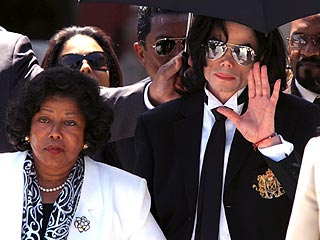
We know them via art (Whistler’s Mother), celebrity (Kate Middleton), politics (Michelle Obama), literature (Marmee) or the Bible (Mary.)  Sometimes mothers are famous because of their children:  Carol Brady, Karen Kempner, Katherine Jackson.

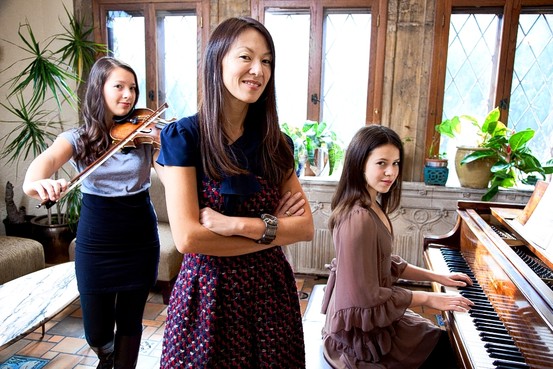
Some moms are famous for a few moments of newsworthiness:  Toya Graham, Amy Chua.  And some moms are simply hard to miss.

But most of the world’s mothers are not famous, and some are essentially invisible. I would like for us to consider those moms today.

They are the mothers who will not be taken out to brunch this Sunday.  They will not receive a card or flowers.  But they are the heroes who raise children in refugee camps,  serve as the primary caregiver for a sick loved one, or parent children with special needs.  They are the ones whose children have died.  They are the ones who mother children as aunts and neighbors.

Especially if you are bummed out this weekend because you are not a mother but wish you were or you had a mother but she’s gone or you wish you had a different mother . . .

Seek out an invisible mom.  Look for the mom who gets no respect from the culture.  Notice the mom who is too exhausted to notice herself that it’s Mothers’ Day. Try to find a mom who will be forgotten by everyone but you.  And do something lovely for her.

Or make a contribution to an organization that supports invisible moms  – like your local women’s shelter or food bank or Dress for Success organization that supplies work clothes for women with limited income.

We who are privileged enough to celebrate a Happy Mothers’ Day have an excellent opportunity to do something that makes an uncelebrated woman visible this weekend.  Let’s do it.

If you want additional reading material about invisible moms: The annual State of the World’s Mothers Report is out this week.

Mothers’ Day Thursday: Sheryl Sandberg


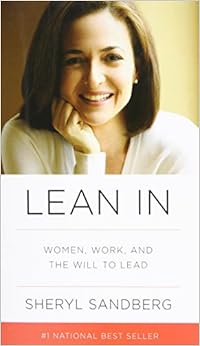
I haven’t even read Lean In, but I can’t stop thinking about Sheryl Sandberg.  Her husband’s sudden death last weekend reminds us all that life can change in a blink.

From all accounts, he was a wonderful human being and I cannot imagine moving into Mothers Day weekend after just losing your best friend and spouse and your children’s other parent.  She recently wrote – of course – on Facebook:  “10 years of being a parent with him is perhaps more luck and more happiness than I could have ever imagined. I am grateful for every minute we had.”

This is basically a post about being grateful.  Sometimes we don’t realize how enormously blessed we are until a loved one is gone.

The video is from Sheryl Sandberg’s address to The World Economic Forum in Davos in 2010.

Mothers’ Day Wednesday: Beautiful

boko haram releaseesBeauty is subjective of course, which makes it easy to say that I have extraordinarily beautiful friends and family.  The more imperfect they reveal themselves, the more beautiful they become to me.

I had a really beautiful Mom.  Even when she was in the throes of cancer she was beautiful to me and I told her so.  “I always loved that you were a beautiful mom,” I whispered into her ear when she was in a morphine-induced coma.

The Pretty Mother Story of the week has been Kate Middleton, appearing to have paid someone to give birth to her second child last weekend while she was off at a spa.  The truth is that she indeed gave birth, but Her People transformed her into a runway-worthy Princess.  Good for her.

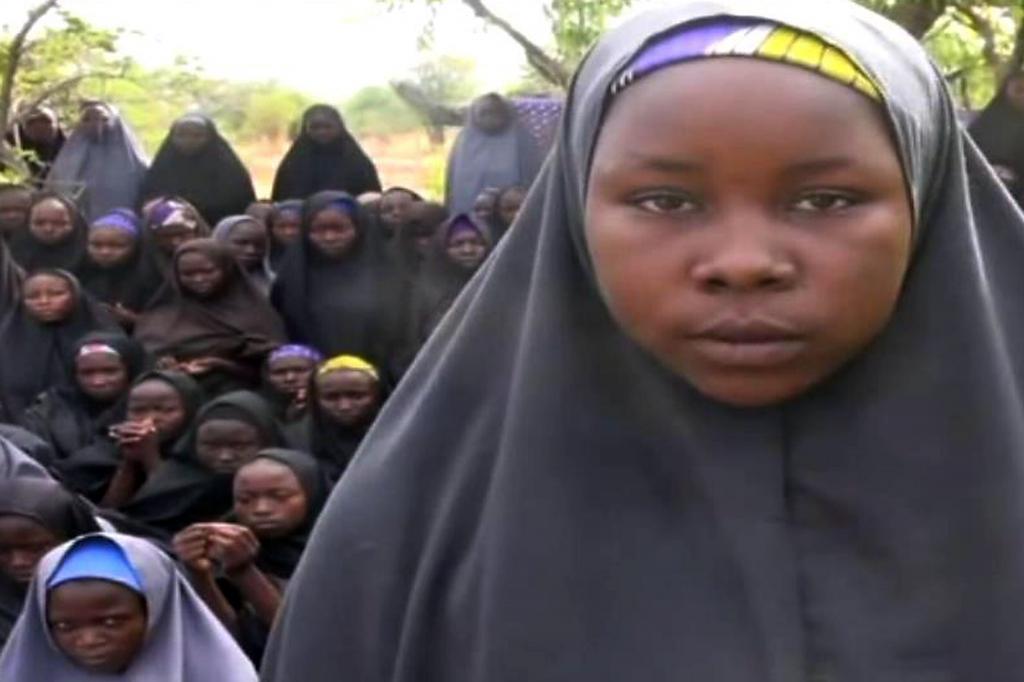
The true beauties this week are those who don’t feel so beautiful perhaps, but their utter humanity makes them breathtakingly gorgeous.  My favorite candidates for Most Beautiful this week include the women and girls who have been freed from Boko Haram.  They have been subjected to traumas we cannot bear to imagine.  But look at these faces. These are beautiful women and girls.  Many of them have become mothers against their will.  They deserve our attention and our compassion.  We need to remember them  – the released and the not-yet-released  – this Mothers’ Day.

Image source.

Mothers’ Day Tuesday: Indispensable Mom

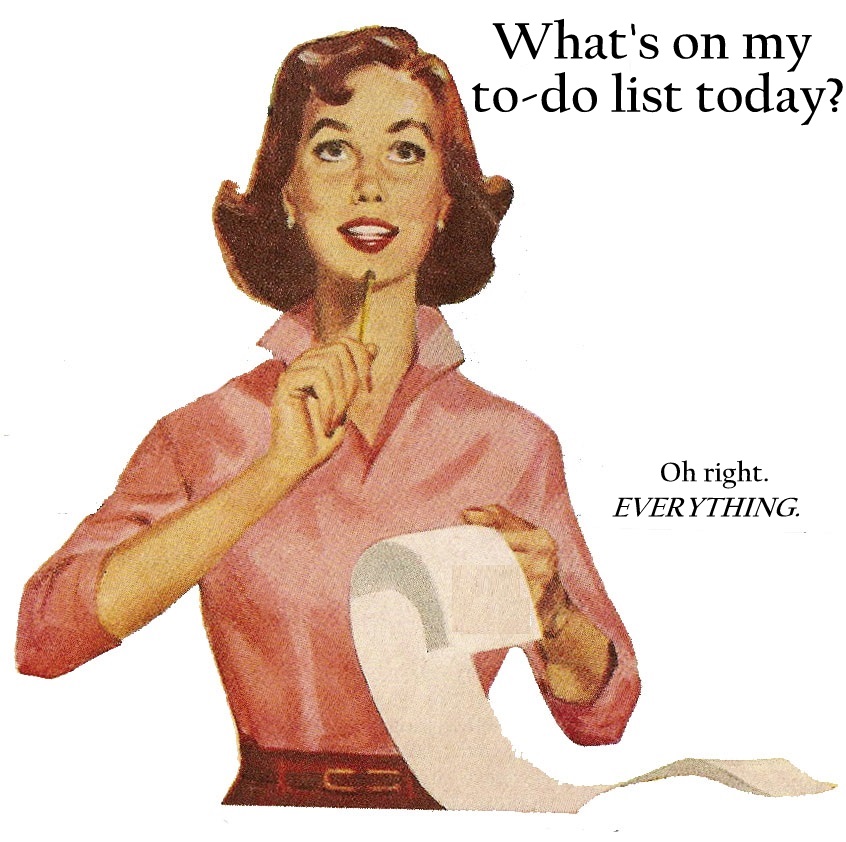
stay-at-home-momI thought I couldn’t live without my mother and – actually – I never wanted to live without her. But then she died when I was 32 and I was just 6 weeks into my own mom-ness, wondering how I could possibly live without her. She was the indispensable glue in our family. She created home for us and – bonus feature – in the words of Roseanne Barr, her uterus was indeed a homing device. She knew where everything was, from our socks to our keys to our baby books. How would we ever find anything again?

I had a dream about six months after she died, when Mom was in her 30s wearing hot red lipstick and she said, “Don’t worry Jan. You’ll know what to do.” And I woke up feeling much better.

One of my favorite bloggers – Vu Le – wrote about the myth of indispensability yesterday here and his mother is gone too. I’ve heard it said that we don’t become adults until our parents die, and – while I know lots of responsible adults whose parents are still living – I get this. Upon the death of our parents, we can no longer rely on them for back up and encouragement – and the silence is excruciating. But that loss teaches us that our parents are not in fact indispensable.

And neither are we.

Business professionals encourage us to “make ourselves indispensable” so that robots will not take over our jobs. Or something like that. And many parents keep us dependent on them because it gives them power or a sense of worth or something really sad and unhealthy.

And as Le Vu says in his post, we in non-profit leadership are so absorbed in our Change The World mindset that we believe the world might just collapse if we didn’t care so much/work all the time. Actually I know some government and for profit staffers who believe this as well. What would the church/agency/hospital/school/office do without us? (We kind of hope they would fall apart because we are insecure that way.)

The best leaders as well as the best parents are the ones who teach others how to thrive without them.

The best moms teach their kids how to be adults and take care of themselves. The best moms share the secret recipes and don’t clean up all the messes. The best moms teach their kids to make their own appointments, wash their own clothes, and do their own science projects. This, of course, goes for the best Dads too.

My Mom – as it turns out – wasn’t indispensable. I could live without her. I just wish I didn’t have to. This will be my 27th Mothers’ Day without her and it still sucks. But I’m grateful that she taught me how to teach my own kids how to bake cookies from scratch – and much more.

This post is dedicated to my TBC on her birthday. I never want to live without her either.

Mothers’ Day Monday (Let’s Make a Week Out of It*)

This is not what my house looks like.

This is not what my house looks like.

Moved by this brave post by my friend MaryAnn, I would like to confess before you and God that I am the weak sister of housekeeping.  Our home is basically clean and fresh-ish, but I, too, have projects that take forever to complete.  I write this post in our freshly painted living room (Benjamin Moore “New Chestnut” – see photo at left – completed in early April.) But the bookshelves are still empty because I haven’t bothered/had the inclination to put those books back.  They sit in another room in stacks on the floor alongside some random Christmas decorations. No, I haven’t put away all the Christmas decorations.  But I painted the shelves myself which was huge.

It’s high time I admitted that housekeeping is not my thing, nor will I ever be my mother in terms of utter cleanliness.  This is increasingly okay with me.

My mother was imperfect and so is/was yours.  For example, mine never taught me self-care (and I have the autopsy to prove it.)  She showed me so many wonderful things, but I wish she’d loved herself more and taught me that skill as well.  I’m learning it now in older middle age – an age she never reached – from friends and a gifted therapist.

In my head, mothers are supposed to be talented homemakers.  Many of us born in the 1950s had those moms.  I remember reading that Anna Quindlen’s mother caned chairs, for heaven’s sake.  Mine canned vegetables and froze fresh fruit that she picked herself.  Mine sewed my confirmation dress and all my other clothes until it became less expensive to buy them in a department store.  Mine grew roses and planted pansies. She created a wonderful home for us.  She additionally worked outside the home and she worried constantly about not being enough.

I believe it’s possible to create a wonderful home that has dust bunnies under the sofa while working outside the home.  And it’s also possible to create a wonderful home that’s dust bunny-less but has unsightly weeds in the flower beds while being home all day.  And it’s possible to create a wonderful home while being a mediocre cook, a lazy laundry folder, or a lame baker.

What makes a wonderful home doesn’t even need to have a mother living there.

What’s needed is safety and support and people who cheer us on and listen to our stories and laugh about random life events together.  Having someone lovingly mother us and father us is one of life’s excellent experiences.  Everybody should have this.

It’s not about perfect housekeeping, that’s for sure. It’s okay to be the imperfect mom.

*Mothers’ Day is not my favorite “holiday.”  But this week, I’m tackling my own demons and I invite you to consider yours.