
If this is your calling, please contact me.
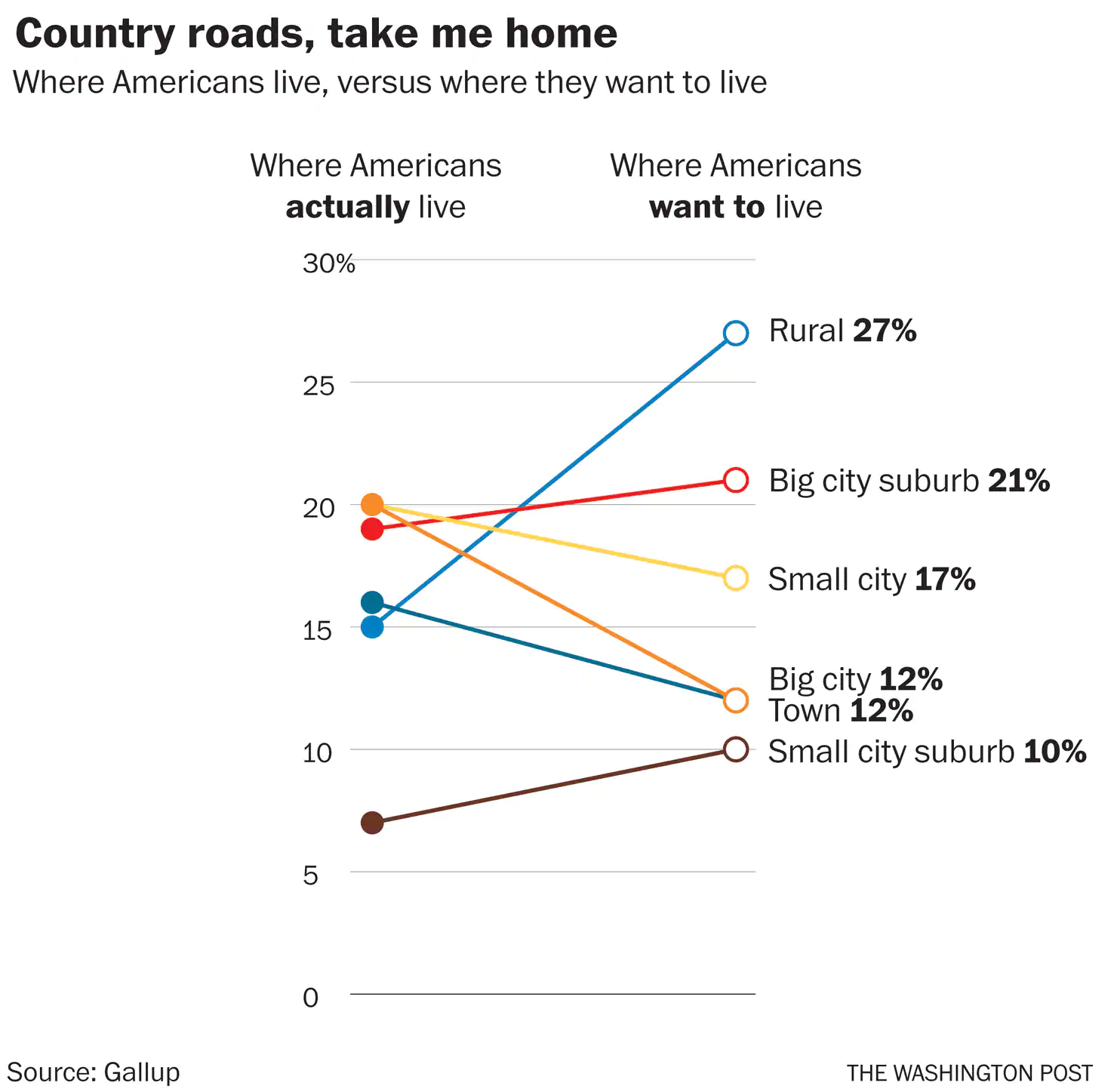
80% of Americans live in or near cities. But most want to live in the country.
Rural churches are challenging for pastors – especially if you want to be near a Target or a Trader Joe’s. In Kathleen Norris’ classic Dakota, she noted that McDonald’s wouldn’t come to Lemmon, South Dakota because the population – hovering around 1000 – was simply too small. Believe me, Starbucks has perfected their calculations about where to open a new store. They don’t do rural.
If you are married, it will probably be hard for your spouse to find a job. If you have children, the schools will not offer the same enrichment opportunities as a suburban school. If you are single, dating will be tricky.
I lived in the lovely rural village of Schaghticoke, NY for the first five years of my professional ministry. It was a wonderful experience, but it was also profoundly lonely. I was 28 years old on the day of my installation and I stayed for five years.
And yet, the stories are better in a rural church. There will be interesting billboards, colorful county fairs, and perhaps a Bigfoot sighting. The people will be extraordinarily smart in ways that most people are not very smart. They will care for each other and for their pastor. Most of them will be related to each other.
As the graph above shows and the accompanying Washington Post article attests, many people like the idea of moving to a rural community. But the jobs are not there. Most of the mills and factories have moved out of small towns, and the farming industry is not what it once was. Many rural communities have few children because – after high school – many young people move to where the jobs or colleges are, and they never return.
Opioid addiction and teenage pregnancy continue to be rampant in rural areas. One rural resident explained that “there isn’t much to do to distract the kids around here.” Drugs and sex have long been ready distractions in every kind of community.
So who will follow God’s call to serve small rural congregations? We need entrepreneurial leaders who connect well with a wide variety of people and personalities. Rural pastors need more flexibility than big city or suburban pastors. They need to be okay with not being paid well. (Even at a minimum salary, they might earn more than anyone else in their community.) They need hobbies that don’t require theater tickets, bowling alleys, or gourmet restaurants.
Most of all, they will need to love God’s people deeply.
What would it take for you to seek a call in a rural community?








 A Church for Starving Artists