This is a Test

This is a test of the Emergency Broadcast System. Broadcasters, in your area have developed this system to keep you informed in the event of an emergency. This is only a test.

Our nation faces a test this week.  This is an emergency.

  • Tomorrow, the people the Alabama will decide who they are as human beings and whom they will serve.  My hope is that the voters of Alabama will choose integrity over politics.
  • Thursday is the 5th Anniversary of the shooting at the Sandy Hook Elementary School.  Many of us thought that the killing of mostly white elementary school children by a mentally ill person would be the last straw, bringing more sensible gun laws.  (It hasn’t made much of a difference when children of color are killed.)  We thought it would make a difference when country music fans are killed by a mentally ill man shooting from a high rise hotel. (So far – nothing.) My hope is that our leaders in Washington and throughout the country fear God more than the NRA and do something.

God has given us choices.  Many of us have more choices than others.  I believe that a time will come when we will face our Maker and be told if we’ve passed the test or not.

Yes, there is grace.  But God also calls us to be obedient to the message of Jesus.

When people show you who they are, believe them.

A Letter from the Co-Moderators of the 222nd General Assembly

December 6, 2017

Dear Members and Friends of the Presbyterian Church USA,

We write this today as leaders of our denomination – and specifically as leaders who are women – to address the harassment and abuse stories being shared via the #MeToo and #ChurchToo hashtags. For many, this movement has been both empowering and triggering, as people find themselves reliving sexual trauma from their past. We stand with all who have been victims of assault and objectification in the Church and beyond.

While it goes without saying that healthy boundary training, child protection training and criminal background checks are the responsibility of every congregation and council, we are called in this unique time to seek a deeper cultural shift.  We are called to stand up against a world that allows predators to flourish and victims to be shamed into silence.  The Church is called to be what the world is not:  safe, life-giving, and willing to hold people accountable.

Our denomination – through the ministry of the Advocacy Committee for Women’s Concerns and the work of the General Assembly – suggests concrete tools for addressing these issues.  We strongly encourage you to use these resources in your ministry:

Resources for setting church policies:

  •       The PCUSA Child/Youth/Vulnerable Adult Protection Policy and Its Procedures  from the 222nd General Assembly

Resources for teaching:

Resources for preaching:

Culturally, we must come to terms with the all ways we victimize and objectify people, including actions that are often less noticeable. We have to be willing to examine and confess implicit gender biases that show themselves, among other ways, in pay disparities and comments about personal appearance. While the stories being shared in the media are representative of perhaps the most egregious forms of sexual violence, gender bias must be disrupted everywhere it presents itself. We must be a church committed to gender equity in all areas of our life together.

We humbly ask that the Presbyterian Church USA continue to be a Church in prayer, asking God to bring healing to the victimized, redemption and correction to the victimizer, and a cultural shift to our denomination so that we might have the abundant life promised to us by Jesus Christ.

In Christ’s name,

The Rev. Denise Anderson & The Rev. Jan Edmiston

Co-Moderators of the 222nd General Assembly of the Presbyterian Church USA


Why Our Christmas Cards Say “Happy Holidays”

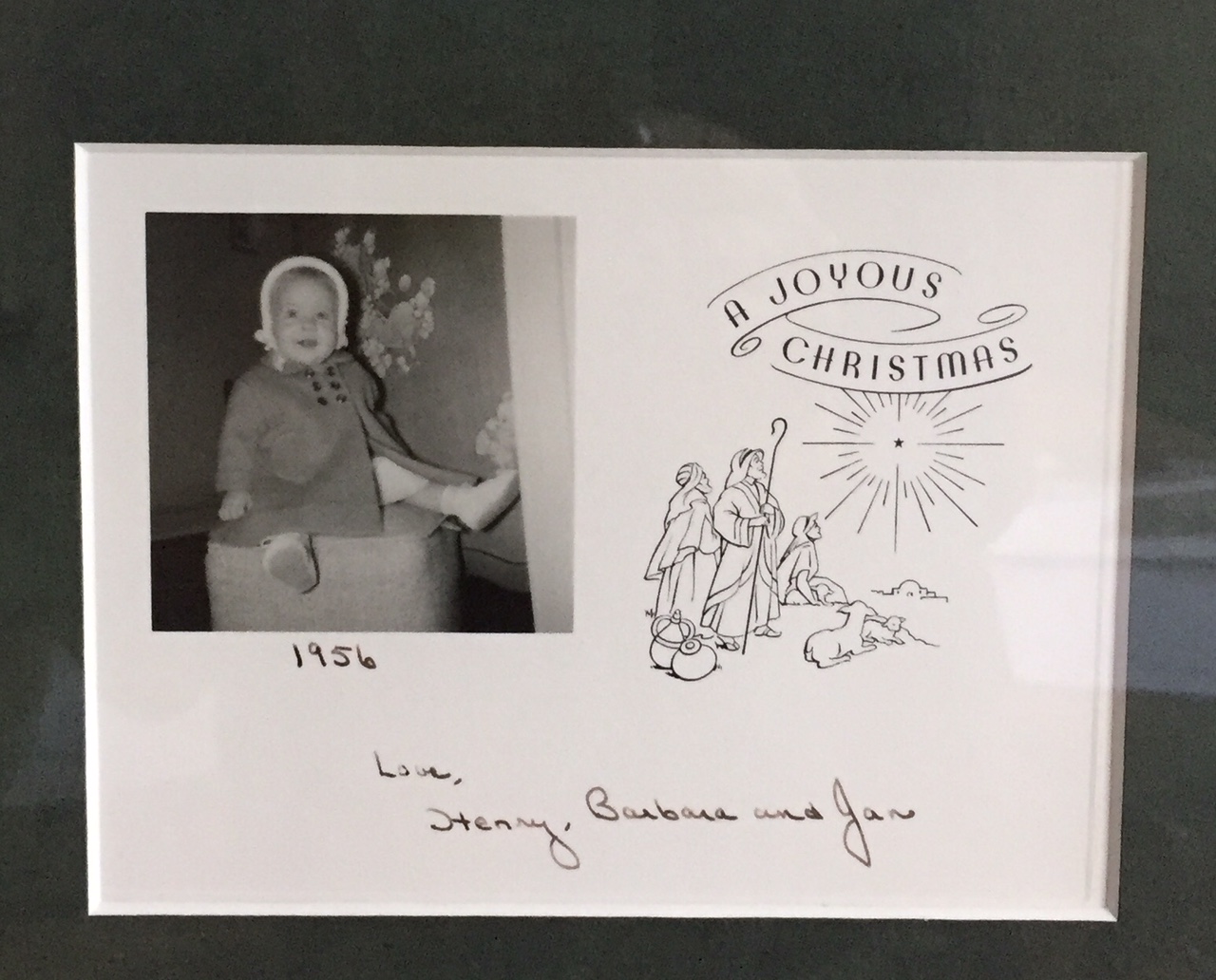
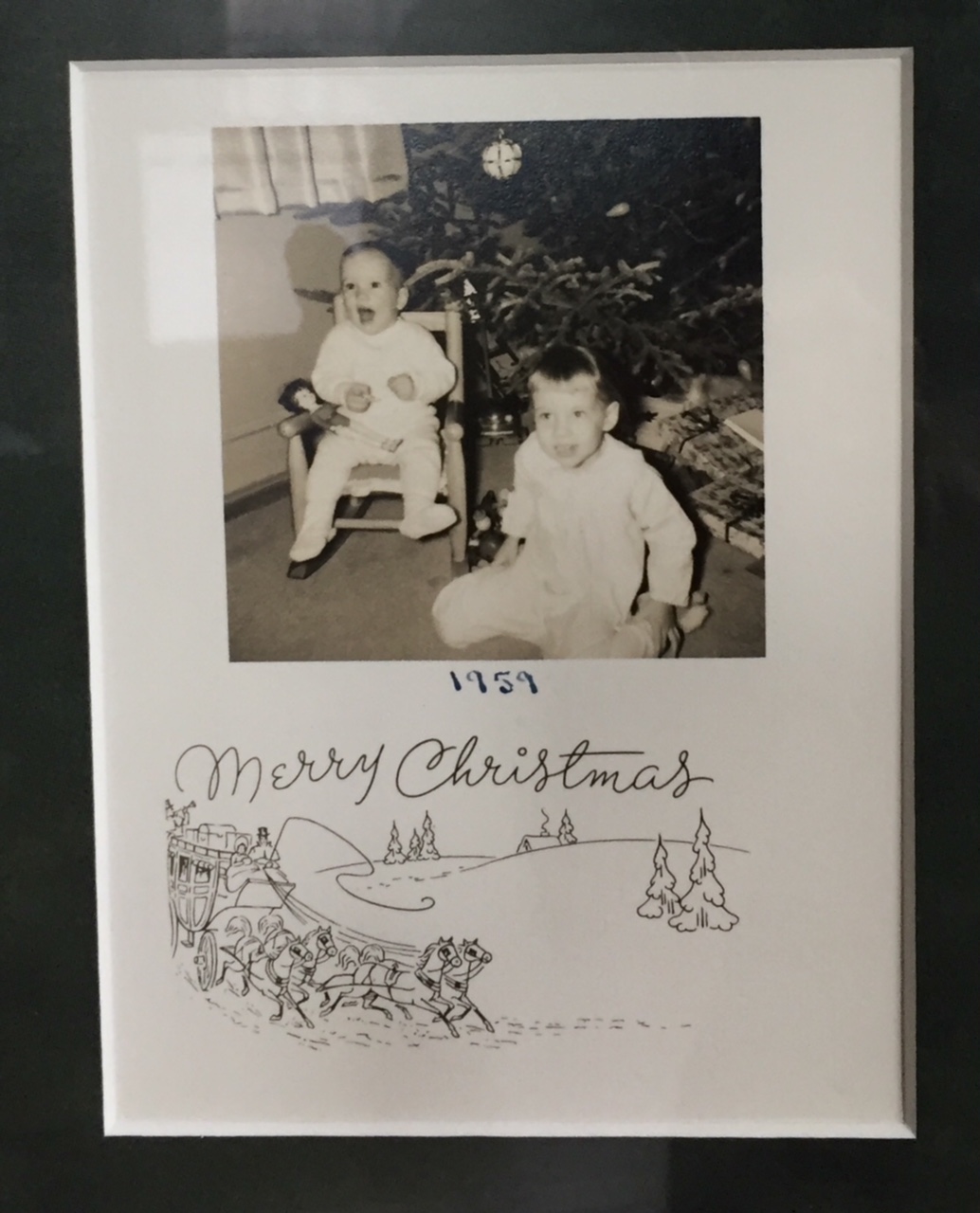
Christmas cards are not about Jesus. At least for me.HH and I send Christmas cards every year as my own parents did for over 30 years.  It’s an intentional practice to connect – at lease one time a year with photos and a quick note.

Sending Christmas cards is more for me than anyone else, just like Yelp.  I use Yelp as a food diary (“Where did we eat that amazing burger?) and I use Christmas cards as a picture diary.  (“That the was the year TBC lost her front teeth.”)  Our Christmas cards go to Jewish friends, Muslim friends, Christian friends, and lots of “nones.”  We celebrate the birth of Jesus, but they don’t, so we say “Happy Holidays” or “Peace on Earth” or something everyone can relate to.

It would feel weird to receive Hanukkah cards or Ramaddan cards from Jewish and Muslim friends because we don’t celebrate those things.  But they also send us Happy Holiday cards.

Saying “Merry Christmas” makes sense for Christians. But not all my friends are Christians.

And Christmas is not just about greeting people merrily.  It’s about the Incarnation of God who came to us, humble and small.  It was a political act 2000 years ago for God to come to break the powers of death, and – for some – it’s a political act now to say “Merry Christmas.”  But if friendly greetings are our most public mark of our faith, we are missing the point.

Yes, Jesus is the reason for the season.  But not so that we can say “Merry Christmas” and decorate trees.  I love to say “Merry Christmas!”  I love to decorate trees.  But Jesus wasn’t born for those things.

I believe that Jesus might just turn over our fancy tables festooned in red and green if he comes back this year.  It feels shallow to focus on saying “Merry Christmas” while failing to lament the fact that Sandy Hook happened almost 5 years ago and still our gun laws fail us. It feels foolish to focus on saying “Merry Christmas” while we cut taxes for the wealthiest of the wealthy and ignore the poor.  It’s kind of ridiculous to focus on saying “Merry Christmas” while turning away refugees who look a lot like Mary and Joseph.

Not to be a downer (probably too late) but Christmas is not about what most of us focus on this season – even if we call ourselves followers of Jesus.

Followers of Jesus protect victims of abuse.  Followers of Jesus serve the vulnerable.  Followers of Jesus get angry about injustice.  In his life, Jesus did all those things for the sake of love.

Christmas is about the incarnation:  when love put on human skin.  We can say “Merry Christmas” or “Happy Holidays” or whatever.  It doesn’t matter.  What does matter is that we mark our faith publicly by living a life of service for the people Jesus loves.

My parents’ cards usually said “Merry Christmas” because they didn’t know anybody who was not celebrating Jesus’ Birthday.  If that’s the case for you, then it makes sense for you to write “Merry Christmas” on all your cards too!

But identifying as Christian has less to do with the words we say than the acts of love we do.

Images are of Christmas Cards past.  

Embracing Imperfection

It’s a relief to say it:  My name is Jan.  I am imperfect.

My closets need to be organized.  I do not obey conventional wisdom about screen time before bed.  I sometimes eat cheese for dinner.

Here in the throes of daily accusations of sexual assault, I wonder if we have hesitated to speak up before because we need to sustain the appearance that Everything Is Okay.  Our professional and personal reputations depend on it.

This article connects a woman’s need to appear to be perfect with the growing incidence of alcoholism in women.  A glass of wine while cooking dinner here.  Another glass watching TV there.  A drink with a friend who lives in another state via Face Time.  It takes the edge off.  It marks a divide between our often stressful day jobs and our stressful night jobs tending the home fires.  I recommend this article to all my sisters.

Perfection is a special issue for the Church. In spite of professing the need for a Savior, many of us Church People need to appear to have our acts together.  Yes, we need a Savior, but not much.

Last Sunday in worship, I witnessed a beautiful tableau of Real Life.  There were men wearing suits and men wearing hoodies.  One was wearing a Batman shirt. There were women in a comparable spectrum of wardrobe choices.

There were older people with walkers and children toddling down the aisle.  Hair colors ranged from gray to purple.  Some people looked all holly jolly and some looked haggard.  Babies cried during the sermon.  Children fidgeted.  Communion was not precisely choreographed.

But it was nice.  It was comforting. It was a perfectly imperfect gathering of God’s people.

Many of us in Church continue to need at least the appearance of having our lives together.  This is old news, of course.

But we continue to hide our worries, passing the peace with our pew mates without daring to share what’s really going on in our lives.  We applaud acquiescent children. We refrain from talking about anger or fear or suffering.  We hesistate sharing about our family member’s imperfections much less our own.

Some imperfections seem almost trendy.  Back to wine:  addictions are increasingly acceptable imperfections because they are so prevalent.  Not so acceptable imperfections include charges of sexual assault and bankrupcy.

How can the Church be genuinely authentic in welcoming the broken while also equipping people to face our brokenness?  It’s tempting to numb out.  But there are better ways.

Does your congregation expect levels of perfection?  What happens when people fail professionally or personnally?  As we continue to move into longer nights this month and as the world itself feels dark, how can the Church be a community that bolsters personal resilience?  It’s just too easy to numb out.

Instead of lulling ourselves to sleep, Advent is the season when we wake up.  Waking up begins by admitting that we need each other.  We need God’s help.  We need to admit our imperfections.  We need to believe that grace is real.

And so we move towards Advent 2 and the very longest night 12-17-12.  I hope it will be the perfect spiritual journey for you.


Guys, Does That Work for You?

Apparently it does.

Although Leslie Scanlon is right in this article about the church being relatively silent on the #MeToo movement, there is not a church coffee hour or holiday party I’ve attended in the past few weeks in which the topic of sexual assault has not been mentioned by at least one woman in conversation.  My private and professional emails contain several stories from friends and strangers about their experiences.

The great majority of women have been assaulted, inappropriately propositioned, or objectified in our congregations.  We are simply trained not to talk about it, make a fuss, take it personally.

My question is always: “Guys, does that work for you?”

Does it work to proposition a friend or colleague at a church retreat?  I remember that time at a preaching conference when a guy showed me a photo of his pregnant wife and then asked me if I’d like to go skiing with him for the weekend – without his wife.

I remember that time at a church retreat a week before my wedding – when a “friend” whose wife was also a friend – propositioned me “for a last fling.”  Really, does that work?

I remember sitting in the hotel bar with friends after a long day of workshops watching a male colleague go from woman to woman to woman – all church leaders, most married, most colleagues of that guy – trying to find someone who was up for going to his room.

I remember the worshipper who – on his way out of worship in the greeting line – told me he was having dreams about me wearing an outfit I’m too embarrassed to detail in this post.  His wife was standing beside him.

Does this work for you?  Again – apparently, it does, at least sometimes.

Note: I honestly believe that there are men who do not try these things.  But there are plenty who do.  Let’s talk about it openly.

In talking about it, maybe even those guys will realize that it’s not okay.

Image from YouTube.

A Royal Baptism and Confirmation

Just like the Duchess of Cambridge before her, Meghan Markle will be baptized prior to her wedding  according to The Telegraph.  Her future Grandmother-in-law is The Supreme Governor of the Church of England.

I trust – as I trust with every baptism – that this sacrament will be more of a spiritual experience than a cursory hoop jump.  To be honest, all of us who present either ourselves or our children for baptism, have no idea what the future holds for us spiritually.  Baptism is an act of faith and grace.  The hope is that everyone comes to the font with the intention of keeping the vows we make there – just as we hope that all couples keep the vows they’ll make on their wedding day.  But we who believe that baptism is a sacrament (and marriage is not) take those vows especially seriously.

I am craving authenticity more than ever these days.  I want our entertainment personalities to be who they seem to be.  I expect our political leaders to be respectful and honorable.  I want to believe that those who take baptismal vows and confirmation vows and ordination vows have every intention of keeping those promises.  We all fall short of the glory of God.  But we can do better.

May the Holy Spirit fall upon Ms. Markle in the weeks and months to come in ways that bring wonder and newfound purpose into her life.  And may Mr. Lauer, Mr. Rose, Mr. Franken, Mr. Weinstein, Mr. O’Reilly, Mr. Moore, Mr. CK, Mr. Trump, Mr. Spacey, Mr. Halperin, Mr. Fish, Mr. Cosby, Mr. Castellano, Mr. Blackwell, Mr. Wieseltier, Mr. Wenner, Mr. Zimmerman, Mr. Landesman, Mr. Price, Mr. Oreskes, Mr. Thrush, Mr. Webster, Mr. Keillor and thousands of others discover who they really are and who they were created to be.

Image of the baptismal font is St. George’s Chapel in Windsor Castle made of Coade stone (circa 1790)

Would You Rather? Clergy Edition

Would you rather lose all of your money and valuables or all of the pictures you have ever taken?

Would you rather the general public think you are a horrible person but your family be very proud of you or your family think you are a horrible person but the general public be very proud of you?

You know the game.  Sometimes the questions seem impossible to answer.

The Clergy Edition goes like this:

  • Would you rather accept a call that isn’t right or would you rather wait for the right position – maybe for years?
  • Would you rather serve a church with more opportunities in a rural area or serve a church with limited opportunities in an urban area?
  • Would you rather leave professional ministry to live near loved ones or would you rather serve in a clearly called position that requires you to live away from loved ones?

Decisions become even more difficult when we are talking about holy matters:  Life purpose.  Calling. The Will of God.

Sometimes people don’t understand why we choose what we choose in terms of our professional/spiritual decisions.  If it’s assumed that we will always live near family, it can feel hurtful to them when we accept a call to Chad (unless our family lives in Chad.)  If we come from a culture that presumes that each call will involve an ascending move, it will confuse those who wonder why we moved from a 500-member congregation to a 100-member congregation.

The Bible includes countless stories about human beings doing curious things to follow God.  I once moved to a rural town of 400, far from family and friends.  Another time I traveled to Syria while ISIS was still active on the other end of the country.  And now I ponder new possibilities that might make people wonder what’s up.  But God moves us to do/be something different.

Exhibit A:  A Virgin tells her fiancé she is “with child” from God after embracing an angelic announcement.

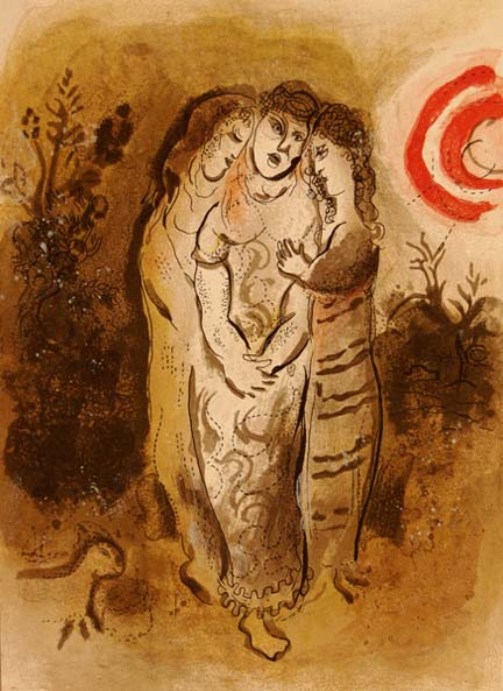
Image is Naomi and Her Daughters-in-law by Chagal (1960)  It’s the story of Naomi and her sons’ Moabite wives Ruth, and Orpah.  Ruth leaves her homeland to move to Judah with Naomi after all the husbands die.  It was a surprising but holy choice.

Actually EVERYONE Loves a Cheerful Giver

Each of you must give as you have made up your mind, not reluctantly or under compulsion, for God loves a cheerful giver. 2 Corinthians 9:7

I once worked with a “stewardship elder” who demanded that I give $1000 more beyond my annual giving.  I felt badgered and stalked.  And I was the pastor.

True story:  I was both reluctant and under compulsion when I wrote that check.  It literally made me feel sick because HH and I could not afford to give beyond our pledge.  The weird thing – for pastors –  is that I was giving money to fund my own salary.  (That’s fodder for a different post.)

I love giving money away 99.9% of the time.  I love playing Santa/angel/fairy godmother.  We had two extra movie tickets to “Coco” last week and I loved searching for people who might love to receive free tickets.  (Young couple with children?  Bingo.)

Today we have a unique opportunity to make an impact for good. Someone Somewhere has deemed this day Giving Tuesday and we have this one specific day to do something good, corporately.  When our $25 is added to many other $25 donations, organizations can do so much more than they could do with our single, simple gift.

Don’t give because you have to.  Give because we are privileged to do so.  Give because it makes us feel even more cheerful after the fact than we felt before.

What do we care about beyond ourselves and our circle of family and friends? Connect with them today and make their work a little more secure.

Need ideas?  This is where I plan to start:

Presbyterian Mission Agency – benefitting everything from disaster assistance to ministries supporting the leadership of People of Color and Young Adult Volunteers and Mission Co-Workers.

NEXTChurch – shifting the church we love into the 21st Century.

Interfaith Youth Core – working with college students to make interfaith cooperation the norm.

REBOOT Combat Recovery – supporting veterans who experience PTSD and other post-service issues.

Thank you!


My Father Was a Hugger

My Dad was in no way a lasciviously grabby man.  He was warm and quick to warm my cold hands or offer a hug.  He was particularly respectful of Women of a Certain Age, especially after his own mother died.  He would hug some of the older widows in church telling me later, “It’s probably the only time they will receive a human touch” this week.  By no means did he stand in line and hug everybody.  His affections were limited to people he knew well.  But he knew the value of wholesome human touch.

Things are different now.  Al Franken self-identifies as a warm person too.

I can imagine having a conversation with my Dad – if he were still alive –  informing him that not everybody likes/wants to be hugged.  Even if he asked first, I can imagine him asking “Can I give you a hug?” while moving in for the hug before someone can respond.

Remembering Dad and the importance of human touch, I became a hugging pastor.   I would often hug people as they left the sanctuary on Sunday mornings, especially cognizant of those who might need comfort.  I was their pastor and I often knew when they were going through difficult times.

To be honest, there was at least one person who asked for hugs and it felt icky.  A basic sideways-ish hug is not about sexual power.  It’s about restorative human connection.  But it can be abused.

Have we reached a point when we need to stop hugging each other unless we know for sure that someone wants to be hugged?  “May I hug you?” can feel like a cursory question (asking while zeroing in on that hug.)  We might assume that “everybody likes to be touched warmly.”  (Not true.)

My Dad also talked with strangers in the grocery store and made comments to random children in public places.  He would have needed some coaching on navigating 21st Century conventions.

It goes without saying that we do not pinch people’s rear ends.  Really.  This is not okay in any circumstance unless you and your beloved have some kind of arrangement and you both think it’s funny/affectionate.

Especially while taking photographs (remember this?) it’s not okay.  Women are taught not to make a scene, especially when a camera lens is pointing our way.

But human touch – an elbow, a shoulder – still seems necessary.  HH’s church ends each worship gathering with facing the center aisle and touching the shoulder of the person beside or behind you during the benediction.  I love this.  As my Dad might say, “This could be the only time people experience human touch that week.

Image of “safe hand to shoulder zone” from here.

When You Get Hit by a Car

My friend M was hit by a car in 2015 as she was running on a rural road.  It was horrible.  Apparently the driver fell asleep at the wheel.

M is not only alive, but she is running again and and she is wiser than ever. But don’t call her a miracle. She doesn’t like that.

What you don’t see are the invisible scars and other issues that continue to cause trouble.  But she is grateful to be alive and she is – as I mentioned – more thoughtful than ever.  She said the other day that everyone gets hit by a car sometime in life – usually figuratively.  Sometimes the car is going 10 miles an hour and sometimes it’s going 75.  But everybody experiences a real or metaphorical crash at least once.  We are lucky if there’s only one.

If you were hit by a car in 2017, please know you were not the only one.  Although it might take a while, you will learn from your crash.  Although it feels hard to believe, there will be spiritual and emotional gains.  Although people might have passed you on the road to let you languish on your own, there are others who will show up in other places.  Angels abound.

This is a good time to thank those angels.  They are the ones who kept us alive.  They are the ones who share good food and drink with us.  They are the ones who make us get out of bed and step outside.  They make Thanksgiving season last for a long time.

Have a thankful weekend everybody.

Dedicated to one of my angels –  MDCM.