Remember Lemmon, S.D.?
Kathleen Norris wrote about Lemmon in her 1993 memoir Dakota. I remember reading that McDonald’s wouldn’t even open a store in Lemmon. (The closest McDonald’s 20+ years later is still an hour and a half away.)
These days, Lemmon is better known for being the real location of the grizzly bear attack featured in Revenant. A grizzly bear. The one who tried to kill Leo DiCaprio.
According to the statistical reports in my denomination, the PCUSA church in Lemmon, SD has about 40 in worship and is yoked with another church, both being served by a temporary supply pastor from another denomination. This is rather typical for many of our rural congregations – and even for some of our suburban and urban congregations.
Last week, this article sparked my fancy. I’ve been reading articles about the populations shifts from rural America to urban America. People increasingly live in cities now and many rural towns are dying and I won’t go into all the reasons for this, but you probably have a good idea.
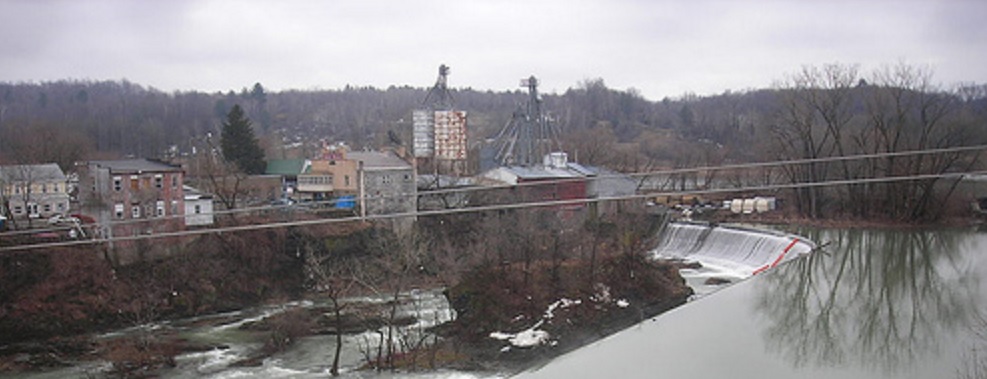
My first parish out of seminary was in a village of less than 700. The closest grocery store was ten miles away, although there were two small convenience stores along Main Street. It was lonely for a 20-something single clergywoman.
Most seminary graduates want to live in or near cities. Most seasoned pastors want to live in cities or close by suburbs. It makes total sense. It’s easier to make friends, find work for their spouses, date if you don’t have a spouse. Life feels less like it’s happening in a goldfish bowl.
So what will happen to our rural congregations in the next generation? Can tiny towns with few jobs and dwindling – or non-existent – endowments afford a professional pastor? Will pastors choose to serve in rural areas if it means that their lives will be limited in terms of opportunities for their families?
Yes, our churches can also be served by lay people in some denominations and by ruling elders (who are not lay people) in my denomination. Maybe we will return to circuit riders.
But I’d love to hear your thoughts on this. How many of you – gentle readers – are pastors of rural congregations? How many of you are members of rural congregations? How many of you have even been to a rural congregation?
Those in the smallest communities in our land obviously need and deserve spiritual community. What will that look like in 2020 and beyond?
Image of “downtown” Schaghticoke, NY where I first served in professional ministry after seminary.