Everybody Should Get a Sabbatical

“My job doesn’t give me a sabbatical. Why should you get one?”

Yes, it’s an enormous privilege to receive time when you can step away from the everyday rigors of one’s vocation and do a deep dive into spiritual reflection and rejuvenation. Sabbath is a commandment – not a suggestion – for many people of faith and a sabbatical is a Biblical principle meant to give even the fields a rest.

Especially in professional ministry, sabbath time is not guaranteed (you wouldn’t believe how many people die on the pastors’ “day off”) and working 46 weekends a year plus five-day work weeks can chisel down one’s soul.

I wish everyone got a sabbatical.

If a professional minister is effective, they are serving in daily tasks (unending administration, random duties, shepherding God’s people in random ways), occasional tasks (weddings/funerals/special services) and global tasks (the big picture/the Vision/the Lens through which do Everything in the name of God.) The burdensome privilege of being a spiritual servant to a congregation and community is a lot. There are few vocations like it, if you ask me.

On June 1 I begin my sabbatical. I am trying to do sabbatical better than I’ve done it before.

First sabbatical in 2008 – Had cancer surgery and spent 12 weeks in recovery. (Not really a sabbatical, so my congregation generously offered another one a year later)

Second sabbatical in 2009 – Got a Lilly Grant and did some meaningful things, but was also still a spouse and mom, so much of that time was spent including them in travel, making sure they were having fun, etc. (This was the topic of subsequent therapy conversations regarding why I tend to ignore my own needs for the sake of others. #Women)

Third sabbatical in 2023 – Taking June 1-August 31 away, and by “away” I mean I’m shutting down my cell phone, social media, and email. Can I do it? We’ll see, but it’s my plan and I have a burner phone (thank you PBP.) I might be spending time on the Amalfi Coast thanks be to God. I plan to talk with God, stare into space, read novels, drink coffee with people who don’t do church, and write a little.

A couple things:

  • If you have a pastor, please encourage them to take a sabbatical at least every seven years for at least 3 months. Make it possible by helping to find funding, being a cheerleader to naysayers, and realizing that you can live without that person for a period of time.
  • If you are a pastor “who can’t take a sabbatical” you are in denial, even if you have little kids, caregive a loved one, and are irreplaceable on your staff. Talk to your colleagues. We can help you.
  • If you are a pastor near retirement age and you’ve never taken a sabbatical in your 30-50 years of ministry, do not tack “a sabbatical” onto the end of your years as pastor, expecting to be paid for those months you never took every seven years. That was your choice 99% of the time. I have multiple examples of churches in serious financial trouble because they paid their retiring pastor 3-12 months after they retired while also paying their replacement. Frankly, some congregations were willing to do this (pay off the pastor) just to get them to retire. Retiring colleagues: please don’t do this if you love your church.

And if you happen to serve as a teacher, plumber, farmer, counselor, sanitation worker, administrative assistant, financial advisor, social worker, artist, journalist, or any other profession and you are exhausted by your work to the point that you forgot why you love it, please take a break – even for a small chunk of time. Ask for help in making it happen. And help make it happen for someone else.

Thank you Presbytery of Charlotte for making it happen for this pastor.

Imagine of the Amalfi Coast which I hear is a lovely place to stare into space.

Things Your Mom Was Right About

I hope Mothers’ Day was okay for you. Okay depends on several factors and while I didn’t love all the Mothers’ Day articles, I loved this one: Want to Make Your Mom Happy? Tell Her She Was Right by Jancee Dunn. It inspired me to ask my own kids what I advised that turned out to be true now that they are all in their 30s.

Here’s what they told me:

  • Don’t trust a woman with no woman friends. I shared this with my sons when they started dating, but it also works for daughters, and it’s the only advice my siblings and I can remember that our own mother shared, except for “Sit up straight.” I have no opinion about men with no man friends but feel free to share if you do. And yes, this is very binary.
  • The three most important life choices you will make are: Who or what will you worship? What will be your life’s work? Who will you spend your life with? All our kids mentioned this as Truth.
  • You’re allowed to marry anybody you want as long as that person loves you as least as much as we (your parents) love you. This was first advised by my husband’s parents. It’s still an excellent word.
  • Don’t wear pants that say “Juicy” on the butt. Care more about your personality and brain than your appearance.

The Dunn article mentioned motherly advice like “take first aid training” and “always be running toward something, not away from something.”

What advice did your mother offer that’s proven to be absolutely right? If possible, let your Mom know.

Image of my Mom. I wish I’d had more time to ask her for advice.

Making Up Numbers Is a Terrible Idea

Many things matter more than numbers – especially in Church. And yet in order to be the Church God created it to be we need to pay attention to a few numbers:

  • Numbers in terms of financial income and outgo (Are we spending beyond our means?)
  • Numbers in terms of people participating (How many human connections are being made?)
  • Numbers in terms of space capacity (How many people can fit into the sanctuary?)
  • Numbers in terms of hours it takes to do something. (Are there enough hours for one person to do all expected pastoral duties?)

I previously wrote a post about the problems of magical thinking for congregations and in these post-covid days, magical thinking about numbers is also killing us.

  • Too many of our congregations are unaware or in denial about their financial numbers believing that since they could afford a multi-staff team ten years ago, they can afford a multi-staff team today – when actually several positions need to be eliminated.
  • Too many of our members believe they belong to a larger congregation than reality is revealing. “How big is your church?” is a common question among church people. The answer to that question is likely exaggerated.
  • Too many of our sanctuaries look empty because they are. And yet church leaders don’t dare consider reconfiguring pews or removing them altogether in order to rethink how to use those spaces.
  • Too many pastors are telling me that what they “signed up for” is not what they are actually doing in ministry. They imagined spiritually shepherding God’s people both inside and outside the walls of the church, but instead they are printing church bulletins, vacuuming the floors, and untangling church dysfunctions.

These are the things that happen when churches are living in survival mode and this article offers a clear explanation of what happens when we lead by fear and not faith.

Creating numbers to make us look good is a spiritual problem. And we are really good as making ourselves look good. We point out that ___ new people came to a Bible study or somebody died and left the church $____. But let’s look at the bigger picture.

How is our congregation making an impact in our communities, especially to those who are not already in our flock?

What do strangers see about how we treat each other?

Are we clinging to our history to the detriment of our future?

It all boils down to our congregation’s culture. Do we have a culture of spiritual growth, service, forgiveness, and grace? Or do we have a culture of fear, exclusiveness and survival?

As I prepare for Sabbatical this June 1- August 31, my prayer is that I can create an accessible tool for guiding congregations who want to be The Church God created us to be. (Please pray with and for me about this if you would.)

Our culture in post-COVID 2023 is totally different from our culture in the 1970s which is so different from our culture in the 1950s which is so different from our culture in the 1860s which is so different from our culture in the 1700s which is so different from our culture in the 1500s which is so different from our culture in the 1100s which is so different from our culture in the 300s which is so different from our culture in the 30s after the death and resurrection of Jesus. But we are clinging to so many things that Jesus never died and rose for.

By God’s grace, our numbers can swell again, but only if we are willing to see numbers in a new way. Stay tuned.

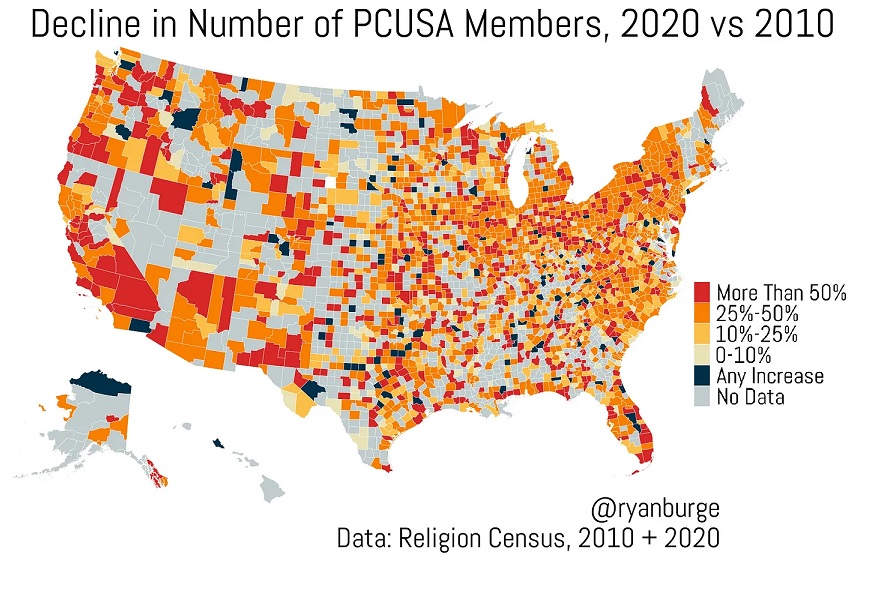
P.S. This article from The Washington Post might be of interest to those who say that Mainline denominations have lost members because of becoming too liberal.

The Utter Comfort of Feeling Safe

The theme of Season 3 of Ted Lasso seems to be about being safe. Some people are safe. Some people are not. Some places are safe. Some places are not.

I was blessed with a safe childhood and – for the most part – my life experiences have been in safe relationships and safe places. I lived in the Washington, DC area during the DC Sniper Attacks in 2002 when two men randomly shot and killed ten people in places as varied as a golf course and a hardware store parking lot. I was in Best Buy with my then 10 year old daughter and I remember telling her to stay in the store until I pulled the car to the front door. And then I carried her running to the car pulled as closely to the door as possible – literally on the sidewalk. My heart still pounds when I remember that day. It was terrifying.

Those experiences have been rare in my life. And yet I fully expect that someone I know will eventually die in a random shooting if things continue as they are going.

Consider what it feels like to be safe: to be able to share a secret and not risk rejection, to be loved in spite of past mistakes, to be accepted in a family no matter what, to sleep soundly at night without fear.

Church is not always a safe place but it’s supposed to be in terms of unconditional love and forgiveness. And on the other hand we are called to take risks that some would say are not at all safe: house the homeless, feed the hungry, visit the imprisoned, love the enemy. In other words, we are called to make the world safer for vulnerable people.

Note: when dealing with enemies, we need to protect ourselves too. It’s possible that we cannot be the ones to offer them kindness but others can do that for us.

I love this season of Ted Lasso. It’s the moments when people realize they are safe that really get to me.

Image of me and my mom in about 1958. Happy Mothers’ Day weekend.

How Does Church Make You Feel?

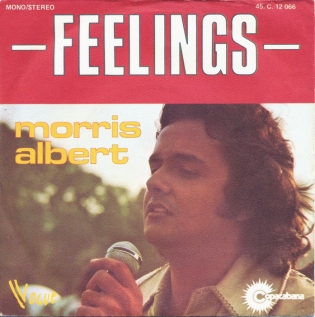
Feelings. Whoa, whoa, whoa. Feelings

Note: God is present and loves us whether we feel it or not.

When asked how I feel about The Church in general and a single church in particular, I often give thought answers, not feeling answers:

I think they are going to close in the next year.

I believe they are doing amazing things.

I know they have some interesting plans in the works.

How does The Church or a church make me feel? Hopeful? Tired? Sad? Joyful? Excited?

How are you feeling about your church? Does your congregation make you angry? Weary? Energized? Inspired? Filled with the Spirit? Loved?

Again, God is with us whether we feel it or not. God has called us to be The Church whether we feel it or not.

To feel abused, infuriated, beaten down, betrayed, lonely, or excluded is never okay – especially in church. And yet I’m concerned that we who lead churches are falling away from those practices and events that make people feel safe, connected, and joyful. We sometimes choose efficiency and cost-cutting at the expense of those things that make us feel like The Church.

Examples:

My denomination used to meet in a different city’s convention center every two years with people coming from all over the country and world to gather for General Assembly. There were meet-ups. There was an Exhibition Hall where we could learn what our military chaplains and camps and missionaries and activists were doing. Connections were made. There was random swag. But for the sake of cost-cutting, there are no more Exhibition Halls, no more global reunions. What made us feel like family feels lost.

Congregations have eliminated retreats, scholarships for kids to go to camp, and even mission projects because they cost money that we no longer have. And yet we continue to put on annual fundraisers that we’ve done “forever” or perpetuate other traditional events that no longer have a a missional impact. It’s hard to get volunteers for them and they might even lose money.

I’m wondering about looking at our calendars and ongoing activities in terms of considering how they make us feel. Do we feel dread? Irritation? Or do we feel utter joy and energy?

Jesus wept. And laughed and hurt and felt compassion and anger. Too many of us are going through the motions without much emotion. What does that say about our spiritual lives?

Things that made me feel something recently:

  • I felt deep joy to hear about one church whose children’s choir learned some old hymns and then visited several retirement homes to sing to residents. Some of the elders who had not spoken in years sang along.
  • I felt tearful gratitude when my preaching group prayed for me while laying hands on my shoulders last week.
  • I felt light-hearted when about 30 colleagues met for a coffee house Happy Hour in April with no agenda except to hang out.
  • I felt deeply moved when participating in the ordination of a new pastor yesterday whose various calls have included Italian Translator, 5th Grade Teacher and Lactation Specialist. And now, she is so clearly called to serve a little congregation in our Presbytery.

My friends, this is Church. Can you feel it?

Image of singer Morris Albert who sang the ever-popular Feelings.

A Week Away

I’m grateful for a week of study leave. Take gentle care of yourselves, my friends, and I’ll be writing again next week.

The porch overlooking Kanuga Lake in Hendersonville, NC

Friday Pro Tips

In these days when life feels hard/soul-sucking in Church World and beyond, here are some simple things that will make life easier/life-giving.

In no particular order:

  1. Pastors: on the day you baptize someone, write them a letter to open on their 10th birthday (for infants/young children) or in ten years (for older people) about what happened that day. Who was present. What happened. What you hope for them by the time they read it. Who will have your contact information if they want to catch up some day. The pastor who baptized my siblings over sixty years ago did this and I did it as a parish pastor and it’s truly special to have them reach out years later.
  2. Pastors: we have peculiar lives and often deal with individuals/congregations who make our lives harder. Do not overshare on social media about what frustrating things your congregation is/not doing. Don’t name names in media interviews. Don’t believe that your church/presbytery/colleagues will not read the post where you trashed them. Yes, vent. But vent to friends over coffee or in a private text thread. (Note: people have told me that they have shown up on my blog and – please believe me – I make up stories/change them liberally to protect both the innocent and the guilty.)
  3. Pastors and Other Faith Leaders: when someone asks you to pray for them (and even if they don’t) ask if you can pray together here and now. And then do that. Don’t wait until you have quiet time at the end of the day. Pray right then. Leave a prayer on their voicemail. Send a prayer via text. This is not about performing. It’s about authentic bonding.
  4. Don’t ever accept a call that you are not indeed called to. Don’t serve in a church just because it’s in a city where you want to live if you aren’t called there. Don’t serve in a church that will be impressive to your parents/friends if you aren’t called there. Don’t avoid the church in a place you never imagined living or the church of quirky people who resemble The Island of Misfit Toys if God is screaming in your ear that you are indeed called to be with those interesting humans.
  5. Get out more. Don’t do the same continuing education every year. Read a book in a genre you usually don’t read. Talk with a person with whom you totally disagree. Try a cuisine you’ve never tried. Sit on a bench and watch people (but not in a creepy way.) Walk somebody else’s dog. Go to a 24/hour diner at 4 in the morning and notice who else is up late.
  6. Support a B Corporation.

Have a wonderful weekend everyone.

I Am Toast

My Sabbatical begins in 35 days and I am profoundly grateful that . . .

  • I get a Sabbatical.
  • I love my work even though it necessitates a Sabbatical.

The whole world needs a Sabbatical right now to refresh ourselves and stare into space and spend time delighting in all that fills us with joy. It’s moments like these when I covet the European vacation culture. Combined with mandated vacation days, workers in Europe can get as many as 38 days paid time off. And that holiday time contributes to making these nations the happiest countries in the world.

We are in deeply anxious times regardless of our politics, family situations, and financial standing. I don’t need to spell those out details for you.

Yesterday our Presbytery hosted an informal Happy Hour at a local coffee shop and it felt good. It felt good to talk about things like funny things our kids are doing or the upcoming Chelsea-Wrexham “friendly” happening in Chapel Hill in July or whether or not these were the best empanadas we’ve ever had. It refreshed my toastedness, even for just a short bit.

Friends, take in a deep breath and remember what freshly baked bread smelled like. Life can smell like that but it takes intention. What are we doing to create Happy Hours in our lives (and I’m not talking about bar scenes)?

What if we took an hour a day for Happy Time. This is a privilege for those of us without young children or caregiver responsibilities, but honestly, most of us can find a Happy Hour. And thanks be to God for Happy Sabbaticals.

Taking deep breaths over here trying to remember what freshly baked sourdough smells like.

Who Are We Setting Up for Success?

This post is dedicated to the Rev. Betty Meadows who set me up for success. Almost five years ago, after she honorably retired, I started my new role as General Presbyter of The Presbytery of Charlotte. I am profoundly grateful for how she prepared the way for me to succeed. May 1st will be my five year anniversary in this incredibly fun call.

She dealt with hard things. She made some people frustrated. She did the work that would allow me to step in and go.

Who are we setting up for success?

Maybe it’s the transitional leader who is preparing the way for a new season in an institutional setting. Maybe it’s the mentor who’s shepherding us to do what we’re called to do. Maybe it’s the parent who is raising us to be resilient, independent, and kind.

It’s the role of every single one of us to prepare another Child of God for success. Who are we setting up for success today?

PS. Thanks Betty.

Magical Thinking Kills

Maybe your place of worship resembles Hogwarts. Cool.

I personally love a beautiful place of worship: candles and rafters and stone and carved angels. Some of us find peace just sitting in a sanctuary with stained glass and gothic architecture. If the place feels magical, maybe something extraordinary will happen . . .

One of the mistakes churches are making everywhere I look involves magical thinking and it has little to do with architecture or design. It’s all about looking backwards, culturally speaking.

Magical thinking for a Pastor Nominating Committee:

  • If we call a young pastor, people will come.
  • If we (a predominantly white congregation) call a Person of Color, People of Color will come.
  • If we call a pastor with little children, more families with children will come.

These ideas worked 30 years ago. They do not work now. They maybe didn’t even work 30 years ago.

Magical thinking for governing bodies:

  • We have a big enough endowment that we can afford ______.
  • I know we have investments to keep us afloat.
  • Our treasurer of 20 years tells us we are fine financially.

These are dangerous assumptions. My own experience as a denomination leader over the past 10+ years have included experiences with churches who call pastors they cannot afford to pay with long time treasurers who use money or resources set aside for one purpose to pay for a different one.

Magical thinking for Pastors:

  • If I lay low and keep the key members happy, things will be fine until I retire.
  • If I use my continuing education money to go on vacation, I can read a book or two about faith formation or stewardship and nobody will be the wiser.
  • If I take naps every afternoon, nobody will notice that I’m not doing my job.

This makes my heart hurt. We Pastors were not called to pat people on the heads or take advantage of our role to unsuspecting parishioners. We are called to love God’s people and hold them accountable and expect them to hold us accountable.

Jesus was not a magician. His miracles were not magic tricks.

Faith in God is not magical. We don’t pray for a parking space and –poof!— one appears.

Magical thinking – no matter who’s doing it in our congregations – might just be the death of us. Facing reality makes amazing things happen. How are we doing with this, friends?