
 “If ministry is to be relational, we need to be good at relationships.”
I wish I could remember where I heard this recently.
Good churches have that wonderful Land-of-Misfit-Toys quality and even the pastor might be an odd duck. But professional ministers need solid skills in making connections with people – even the difficult ones. Even the strange ones.
Over the years I’ve worked with struggling pastors whose parishioners suggest that maybe their pastor should actually be a professor. When you’re dealing with people in the throes of their illnesses, their defeats, and their deepest sorrows, poor bedside manner can be disastrous. Offering an academic comment – or an uncomfortable presence – is not what people need in the midst of brokenness.
And seminaries generally do not teach emotional intelligence.
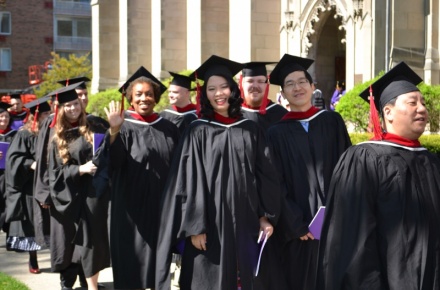
As we prepare people for professional ministry, it’s often my responsibility to remind seminarians that one can excel in every academic course, pass every denominational exam, and fulfill every practical requirement but never be ordained. Because this is not a certification process as much as it’s a call process, there must be an ineffable spark. A curiosity about what God is doing. An interest in other people’s lives. We can learn these things, but we have to want to learn them.
When I hear someone tell me that they want to be a pastor “because I’d like to be called a ‘Reverend’” I appreciate their sheer honesty. Every pastor might secretly think this too, but that’s not what most say out loud. It’s true that we pastors want to be important, but it’s also true that this is not what ministry is all about.
Eugene Peterson said in this conversation with Krista Tippett: Ministry gives you a huge scope for honesty. It’s sacreligious to tell people in pain simply to “buck up” and move on. Jesus teaches us to be with each other in pain.
And this requires some relational gifts. Some of those skills are simple: Say please and thank you. Listen well. Be present. Try to see everyone through the eyes of Christ.
An effective Church in the 21st Century is relational and I’m talking about both clergy and non-clergy here. We work on our relationships with God, with each other, with mission partners, with the broken, with other congregations, with people of other faiths and people with no faith. No longer is ministry primarily about programs and hierarchies and regulations and writing checks to needy people in faraway places. It’s about following what Jesus did.





 A Church for Starving Artists