Author Archives: jledmiston

In Between Bites of Pancakes

Lent begins tomorrow and if you are in the Church business you’ve probably already considered Lenten plans, but here are some last minute ideas I love:

  • Marie Kondo-ing 40 gifts.  Some congregations are asking people to collect an item a day for the 40 days of Lent.  Items for a women’s shelter (shampoo, razors, shaving cream, tampons, lip gloss, tooth paste) or items for schools (notebooks, pens, markers, tissues) or items for refugees (gift cards, diapers, laundry soap) – all presented on Holy Week to be shared with those in need.  Each day, as you place one item in your home collection box, pray for the person who will eventually receive this item and thank God for the privilege of sharing it. Spark joy, people!
  • Thirty Pieces of Silver.  Invite people to bring 30 pieces of silver (quarters, nickles, dimes) to Maundy Thursday services (April 18th, 2019) and – while walking forward for The Last Supper – they drop the coins into an empty baptismal font.  The sound of clanging coins during a solemn service can be very moving. The donations are given to an organization supporting people who have been betrayed (abused women, abused children, people falsely convicted of crimes, the homeless.)
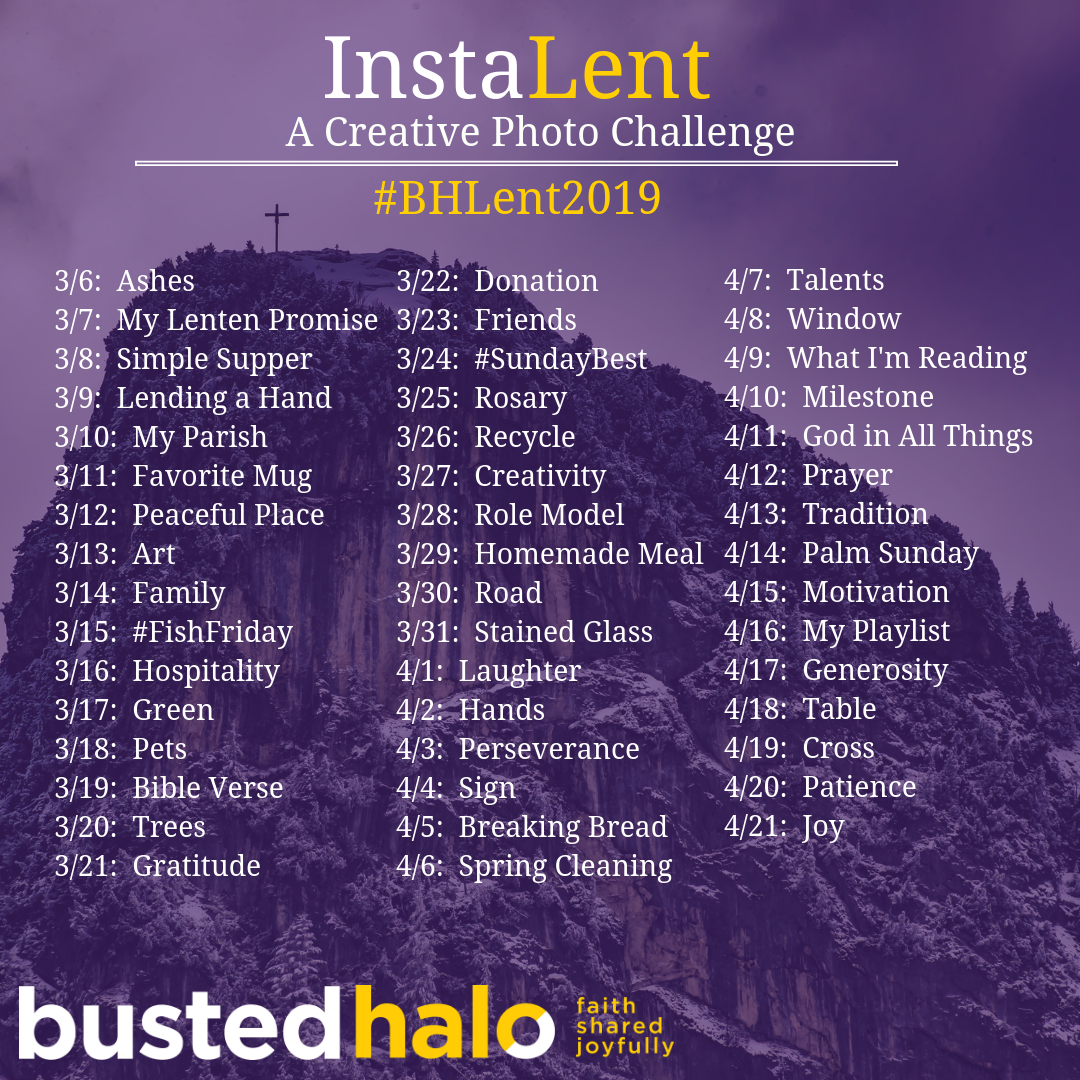
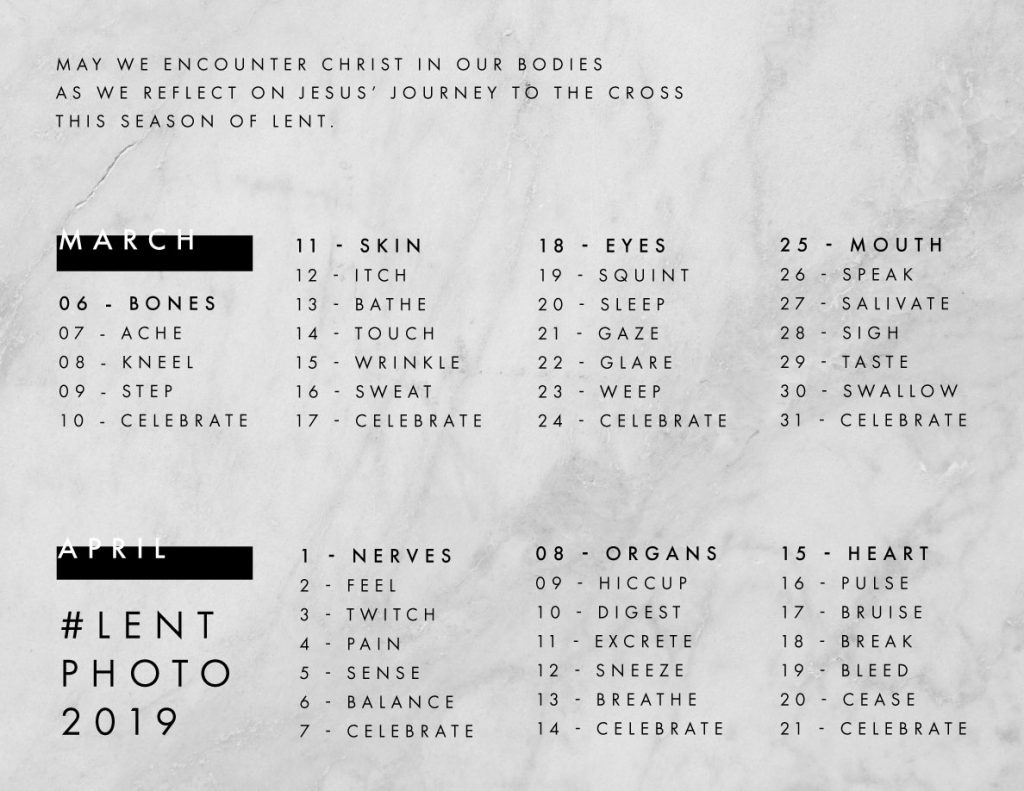
  • Lenten Photo Challenge. As you go through each day in Lent, take a photo of something you notice involving the suggested word of the day.  Here are a couple lists I like:

Post your photos on Instagram or other social media sites with the word/words printed on your photo.  (These examples are from Busted Halo and Tim and Olive.)

Lent not only has the best hymns, but it’s also one of the most spiritual nourishing seasons of the year.  Between bites of pancakes today, ponder a discipline that feeds you for the next 40 days.

Michael Jackson Cancelled?

I have loved dancing to Michael Jackson for the past 49 years.  Is it time to cancel him?

Although there have been rumors of Jackson’s pedophilia for decades, the new HBO documentary offers chilling firsthand interviews about his misconduct. This article says cancelling Michael Jackson is tricky. He’s ubiquitous.  And he’s dead so there’s no possibility of making things right. And he’s certainly not the only celebrity to have a disturbing secret life.

I struggle – as a Christian – with cancelling people.  And I’m talking about Urban Dictionary cancelling here.

But for the longest time, I’ve cancelled famous preachers and theologians whom I know to be sexual predators- often because they’ve assaulted friends of mine. I’ve cancelled politicians who did terrible things even if – once upon a time – I voted for them.  I avoid businesses run by people whose practices have hurt people.

Lots of people have cancelled the NFL, Chick Fil-A, Walmart, Kevin Spacey movies, and anything with the name Trump on it.  But where do we draw the line?

Dissing people and dissing things are different, but is it righteous to be so judge-y?  Or is it merely unforgiving?  I don’t know.

My boycott of something or someone probably doesn’t have much impact but it’s something I might do for me and my own spiritual peace.  Go ahead and listen to R Kelly, but I won’t be joining you on principle.

As we approach Lent, this is something to ponder. At what point do we release someone from the worst things they’ve ever done?  I certainly don’t want to be judged for the worst things I’ve ever done but I suppose it’s possible that someone has cancelled me too.

I’d appreciate your wisdom on these things.  It’s part of the spiritual walk we take together.

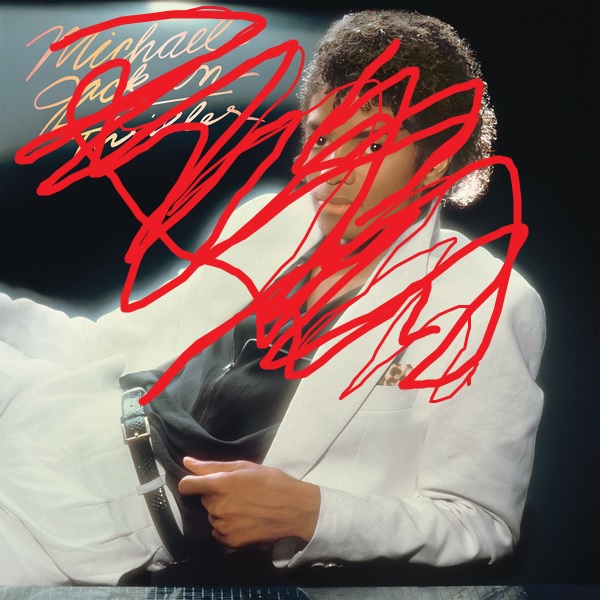
Distorted image of Michael Jackson’s album Thriller.

The Last of the Hallelujahs (for now)

Christian tradition teaches that we don’t say “hallelujahs” (“praise God“) during Lent.  Lent is more about dust and brokenness and repentance.

But on this last Sunday before Lent begins on Wednesday, I’m feeling fairly praise-ful.  I praise God tonight for experiencing both snow and 60 degree temperatures within a two hour period of time.  (Thank you air travel.)

I praise God for delicious food that’s Whole 30 compliant, for hyacinths and tulips while much of the nation is cold and stormy, and for the gift of Sunday breakfast with uncompliant cheese grits and homemade cinnamon applesauce.

I praise God for good triggers: for smells that remind me of my youth, for seeing a museum doll house exactly like the one I had as a child, for sitting in a sanctuary much like my home church and feeling the presence of those saints who once sat beside me.

Worship this morning included so many Hallelujahs and it was glorious.  And in a couple more days we turn from praise to penance.  And it will be a different kind of beautiful.  My hope is that we will look backwards and forwards and all around us, and we will consider what in this world God made that needs our attention from our own lifestyles to the burdens of others.

But today: Hallelujah!  What a glorious weekend.

The Methodists

“I’m having a terrible time Miss Maudie.  Jem is staying up in that tree until Atticus agrees to play football for the Methodists.”

Atticus Finch and his children were Methodists in fictional Maycomb, Alabama in To Kill a Mockingbird.  Their creator Harper Lee was also a lifelong Methodist.

Scout was having “a terrible time.”  Her brother Jem was protesting his father’s refusal to play football for the Methodists against the Baptists.  And their father Atticus’ excuse was that he was too old, that he might get hurt.

I thought about them all last night as the United Methodist denomination made a decision yesterday about who could lead their congregations. For some of us it feels like a terrible time and it’s not because any denomination is competing against any other denomination in any realm.

It just it feels old – Biblically.

Those of us who study the Bible know that there are countless verses in the Hebrew and Greek scriptures which 21st Century human beings discount except as ancient information.  I’m not going to get into a Bible battle here but I recommend that we look at the whole of Scripture to discern God’s will for us today. This is much more difficult than picking and choosing individual verses that seem to support what we already believe  Looking at the whole Bible convicts us all because not one of us has cornered the market on God’s Truth.

Grappling with Scripture is a lifelong process and I have great respect for people who grapple deeply but disagree with me.  I have less patience for people who pick individual passages that “prove” their point.

Harper Lee’s friend Truman Capote would most likely would never be a candidate for leadership in the United Methodist Church, but I would have loved to know what she’d say over yesterday’s decision.  On second thought, it doesn’t really matter what Harper Lee thought.  It matters only what God thinks.

It matters what God thinks about us and if we look at the entirety of Scripture it is utterly clear that God loves us no matter who we are or what makes us who we are.

I believe God created us to be diverse beyond our wildest understanding and that God treasures each of us in our differences.  I believe that God calls every one of us to some kind of service in this life.  And I believe that sometimes that service involves professional ministry even for people that we might not call.  But we are not God.  The God who made us gets to pick who is called into ministry.

Some people will not want to “play for the Methodists” after yesterday’s decision.  And some will be happy with their team’s decision.

But this is not a fictional story.  This is real life.  And real hearts are broken today.  Real congregations are split today or they might split in the future.  Real pastors who happen to be LGBTQ human beings with real marriages are in pain today.  It’s a good day to pray for the Methodists.


Image of the First United Methodist Church building in Monroeville, Alabama. This was Harper Lee’s place of worship.

When We Say “The World is Crazy” What Do We Mean?

I hear it almost daily. I hear it in church and in the grocery store, on social media and the radio.  “The world is crazy!”  It’s something most of us – and maybe all of us – can agree on.

But what we mean by “crazy world” varies depending on our politics, the news we ingest,  our theological beliefs, our education levels, our personal experiences.

“The world is crazy.”  Depending on who you believe AOC wants to ban cows, Trump is the head of a Russian crime family, and baby powder causes cancer.  There are daily stories about desperation and violence and enough heartbreak to traumatize the whole world.

Some drown out the craziness with noise or busyness.  Some numb out.  Some troll strangers.  Some pray for help.  Most of us long for peace although peace looks different for different people.

This is a particularly good time to be the Church.  And we need to work on being a better, more faithful Church while we’re at it.  We need to be a Church that sits with each other in the crazy and work for healing and grace for the love of God.

Note: “Crazy” is a catchall word makes some people uncomfortable. I use the word in reference to situations rather than people.


Can We Talk About Self-Control?

My dad used to call it “flying off the handle” – those moments when we lose it for whatever reason.  Someone cuts us off on the road.  Someone disses one of our kids.  Someone erroneously blames us.  Someone blames us for good reason, but in a shaming way.

And then we respond in a way that makes it worse.

Followers of Jesus might recognize “self control” as one of the Fruits of the Spirit – the behavioral evidence that we are working on our spiritual maturity.  I love that Paul referred to “self-control” hundreds of years before psychological theorists focused on it.  Fight or flight has been going on for much longer than we human beings have been calling it that.

William C. Mills –  an Eastern Orthodox priest serving a congregation in Charlotte  – has written a “memoir of faith and finding” called Losing My Religion.  I recommend it.

Like many of us in Church World, he has experienced ugliness that can wreck a person.  It’s happened to me.  Maybe it’s happened to you too.

Power plays.  Rumors.  False accusations. Gossip. Threats. Misconduct. Lies. These experiences often occur IN THE CHURCH  stripping people of dignity and  damaging the whole community.  If you haven’t witnessed such mayhem, I wonder if you are new, inactive, or so conflict-averse that you can’t see it.

Pastors in particular are often targeted because it’s assumed that we will not fight back.  We will not cause a scene. We will not pound the pulpit or throw a Bible.  And it’s also assumed we will not lean into the conflict.  It’s assumed that since we are “nice” that we will not hold others accountable.  William C. Mills shares his personal experience with bullies who left the congregation he serves but not before lighting some proverbial fires.

There are pastor bullies too.  I hate to admit it, but it’s true. And yet I see more parishioners out to destroy clergy than the other way around.  (Not many more- but more – especially in small congregations.) Again, we need to hold people accountable in love.  And we need to support those who are being bullied.

What if we happen to lose control – especially in church?  How do we recover from that?

Apologize. Be authentic.  Be honest. Show people what it looks like to be The Church as Jesus showed us how to do it.  And remember that God even uses our mistakes and missteps.  And we have divine help at our disposal.

Image is Nicolas Cage losing it in Wicker Man (2006).

No Talking Day

Today is my Sabbath.  It’s obviously not a digital Sabbath. It’s a talking Sabbath.

I’ve talked with exactly eight human beings today including two family members, two restaurant servers, one pedicurist, one security guard, one cashier and the guy in my building who has a new domestic Bengal cat.  I have no plans to talk with anyone else today.

My Sabbath goal is to talk to no more than ten people every Friday unless I’m working (which I don’t often do on Fridays.)

Quiet is a privilege and a luxury. There are places on the earth where people live in silence as a spiritual practice but most of us live in constant noise: horns, crying, cheering, yelling, talking, shooting, television, radio, barking.  As I write this, the only sound I hear is my clothes dryer and it’s a comfort really.

I have a working clothes dryer in my very own apartment and that’s a lot.

This is not a strict No Talking Day (those eight people) but it’s more quiet than I usually get.  Myers Briggs Introverts need their silence to re-charge.

I’m re-charging with Jesus today.  If Jesus wants to talk, that would be fine.

Image of my neighborhood Bengal.


Fixing It

Some of our churches looking for new pastors are seeking a leader who will fix them.  Sooner or later they will be disappointed.

Your pastor cannot fix you or your church. Neither can your therapist, your parents, or your fairy godmother.  The rich member who has seemingly endless resources can’t fix it either.  Money can move mountains but often it’s just a band aid.

In some cases, your internist/oncologist/cardiologist/etc. can fix certain parts of you.  The same is true for your dentist, your car mechanic, your pest control specialist and your banker.  And this is so frustrating because we like to push a button and have our problem go away.  (Thank you re-booting.)

Becoming a Faithful 21st Century Church requires a culture shift, not a fix. We are setting everybody up for failure if we refuse to accept this.  Adaptive change is harder than technical change.  You know this.

So here is a tip from my Transitional Ministry Training from last week.  (Note: please take this training if you love your church. There might be additional workshops in summer 2019. Get on their mailing list.)

Before we can move forward, we need to know who we are now.  Not who we were yesterday. (The Church with 100 people in our choir!  The Church with 4 pastors!  The Church with 250 kids in Sunday School!)  Not who we wish we were.  (So friendly!  Open to diversity!  Okay with having one worship service!)

How do we figure out who we are now?  Scott Lumsden suggests these questions be asked to everybody in the congregation from the pillars to the prepubescents.

  1. Three words that describe our church are:
  2. An important characteristic about our church is:
  3. An important event in the life of our church is:
  4. A time when we were most tested was:
  5. The thing I most appreciate about our church is:
  6. The thing I most appreciate about being Presbyterian is:
  7. Something that’s never made sense to me about our church is:
  8. One thing I’ve always wondered about us is:
  9. Three things we must continue to do are:
  10. Three things we could stop doing are:*

*These are Scott Lumsden’s questions.  He gets all the credit.

Answering those ten questions is the first step in figuring out a congregation’s identity.  For the second and third steps, you’ll need to attend the training I referenced above.

We are not only not going to fix our congregations painlessly.  We are not going “to fix them” at all.  We are going to:

  1. Let them die.
  2. Teach them how to transition.

It’s really hard.  Really hard.  But I have so much hope because . . . The Holy Spirit.  The Big Decision we need to make today is: Do we want to be a faithful 21st Century Church or not?


Image is an assortment of multi-bit screwdrivers.  They can screw things but that’s about all.


The Whole Sex Thing

Sometimes it’s not even about sex.  It’s about power or violence or control.  Sometimes it’s about drunkenness. Sometimes it’s about procreation.  Sometimes it’s just about fun.
It’s lovely when it’s about love and the treasuring of another human being.  God created sex to be about love.

But we in the Church have made sex weird.  I haven’t read Nadia Bolz-Weber’s new book yet but it’s causing a stir.  I don’t particularly aim to cause a stir here.

My hope is that our congregations learn to deal with sex in healthy and open ways.  Or that we deal with it at all.  I know congregations who have created a culture in which the youth learn about healthy, honorable sex along with healthy, honorable body image and self-respect and respect for other people.  They learn about consent along with tips on how to ask somebody out.  These are important questions for young disciples trying to discern who they are and who God is.

I know congregations with assault victim support groups and small cadres of women who have connected because they share the horrible history of incest.  But I know more churches with victims who don’t dare disclose such things.

Most of us have twisted sex and made it something God didn’t create it to be.  In the last two weeks,  the media has published stories about:

Every single one of those articles involves church people who have abused their power and/or used sexuality as a weapon.  We human beings are quick to idolize what isn’t God.  We are a greedy species.  We are good at sin.

But we have particularly twisted sexuality.  We have made it ugly and it’s no wonder that almost every woman I know has either been sexually assaulted themselves or knows someone else who’s been assaulted.

Imagine a Church that deals with that tragedy and tries to shift the culture in a way that doesn’t shame people or hush people.  I was once leading a Children’s Sermon during worship in a church that I was visiting with a group of about twenty children between the ages of three and eight.  I have no idea what I was talking about with them, but one preschooler raised her hand and said, “Sometimes my brother puts his penis in my mouth.”  Some of the other children laughed.   Most didn’t catch it.  Some adults up front wondered if they’d heard her correctly.

She was very calm.  She was not saying words to make us laugh.  She was dead serious.  And I said, “Is your mom or dad here today?”  A church staff member – who had indeed heard this little girl – mouthed that her grandmother was present.  And then I said, “Thank you for telling me.  Can you talk with me about that after we finish here?”  And she nodded “Yes.”

So here’s the thing: I tell this story not because I handled anything well.  (If I did, it was because God put words in my mouth.)  My point is that  – as the grandmother told me after worship – this preschooler was in therapy after being assaulted by an older brother and she was told by her therapist that she can talk about it anytime she feels safe.

For. The. Love. Of. God. This little girl felt safe in Church.  She felt safe with a lady wearing a black robe whom she’d never seen before, but she’d seen other safe humans in black robes in that sanctuary.  And she felt safe surrounded by her church friends.  And her lovely grandmother had not shamed her at home when she talked about it. And she certainly didn’t shame her for talking about it in church.

Imagine a Church that doesn’t mess up sexuality.

We can be that Church.  We really can.


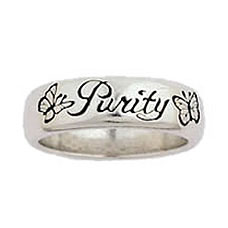
Image of a purity ring.  You can read about them here and here.  Purity has less to do with virginity than with who we are as God created us to be.

When You Need a Day

I overheard lots of strangers’ conversations in the past 24 hours –  in the airport, in the airplane, waiting for a Lyft, in the grocery store.

One woman was on her way to her boyfriend’s Army basic training graduation.  Another woman was fighting with her husband.  There was a Mom who looked exhausted and her little son was trying to be helpful.  There was a charming guy I thought might be a serial killer because he was persistently offering a young woman a ride even though she kept telling him she already had a ride.  Lots of people looked weary.  Some looked utterly joyless.

Many of them looked like they needed a day. A day to sleep in.  A day at the spa.  A day outside.  A day with a book.  A day in sweatpants. A day with no responsibilities, no burdens.

I return to the office today after a week of continuing education followed by a weekend with HH in our Midwest house.  I got my day plus some.

I hope you get a day soon.

Image is the sky over Idaho last Friday.